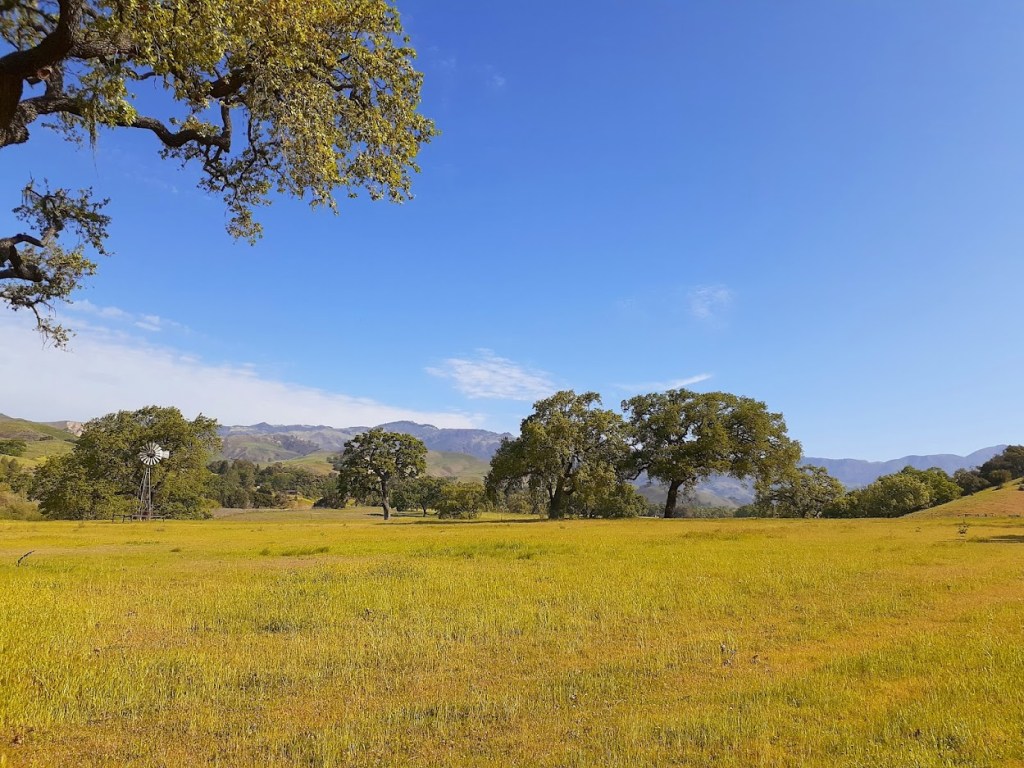
Greetings friends. I hope this trail report finds you in good health. This one is dedicated to Jesus.
The 1964 Wilderness Preservation Act established a means for preserving federal lands as designated wilderness areas. These wilderness areas enjoy the most stringent level of protection of any federal lands. In California there are close to one hundred wilderness areas totaling millions of acres. The first primitive area in the nation to be reclassified as wilderness under the act was the San Rafael Wilderness.
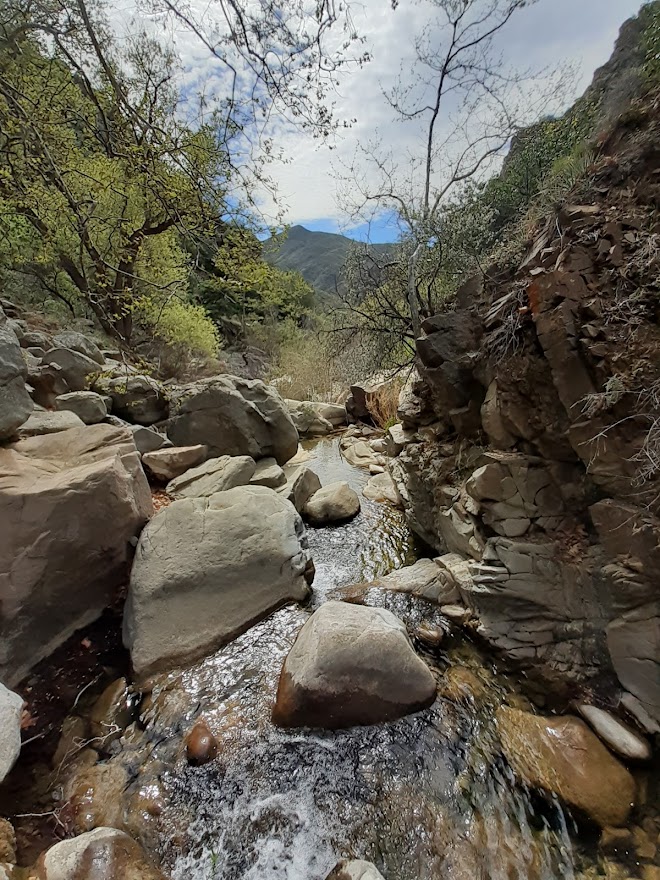
A prerequisite for consideration is that the land be roadless. Which lands have escaped over 200 years of manifest destiny? The rugged and remote lands!
Anybody can enter a federally designated wilderness for a day hike, however if you want to spend the night in one a permit is often required. You can only enter one of these wilderness areas on foot or horseback.
You can access the San Rafael Wilderness via the beautiful Santa Ynez Valley. Drive up and over Figueroa Mountain to the end of the road at Nira Campground. From there you can hike up (or down) Manzana Creek. The region has inspired a successful brewery which uses artwork of local landmarks on its labels.

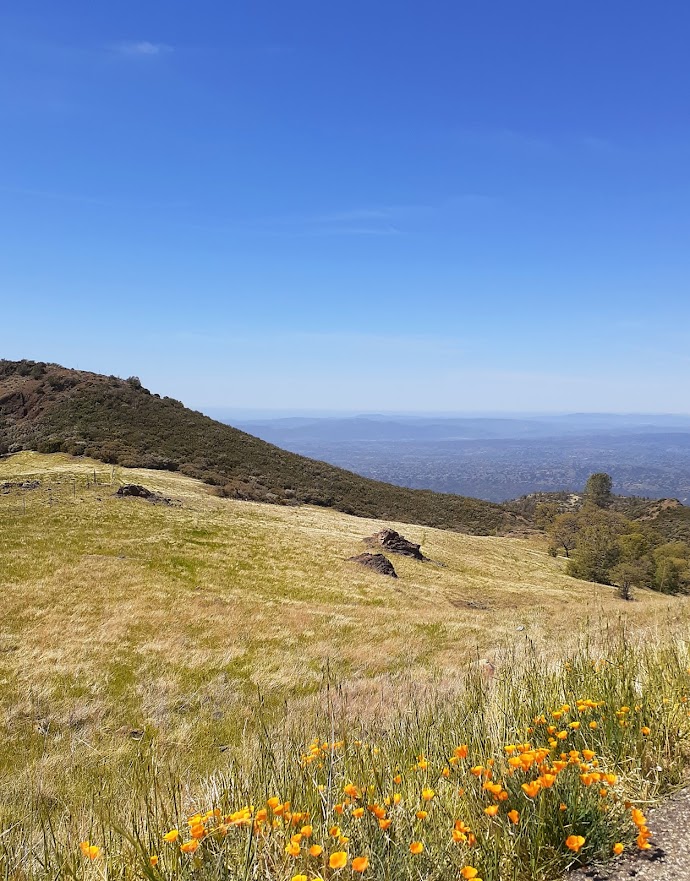
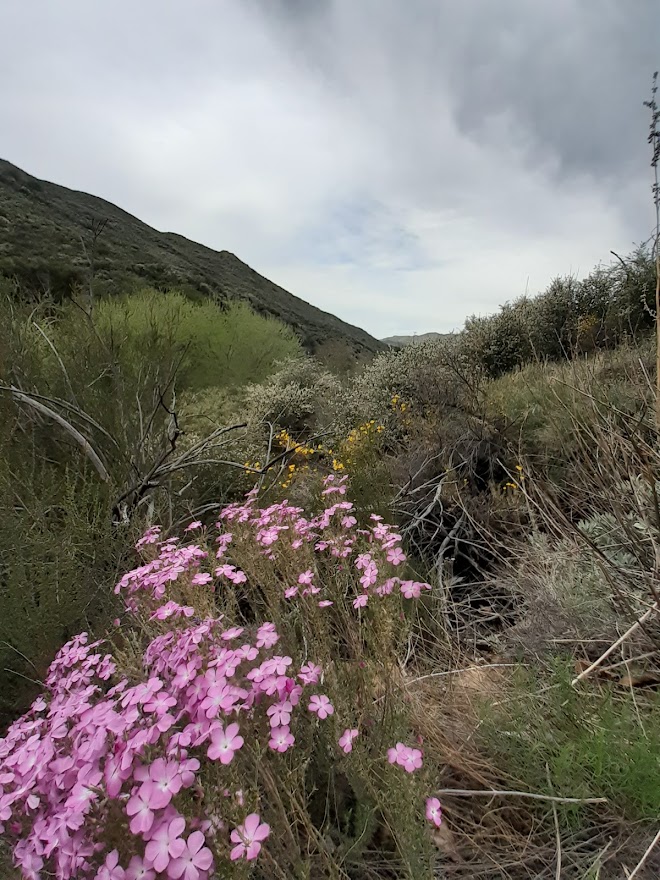
As I sit alone in my tent within the San Rafael Wilderness, it is quiet and a little lonely. I feel fatigued from the day’s hike. I fall asleep to the sound of cascading water, tree frogs and crickets.
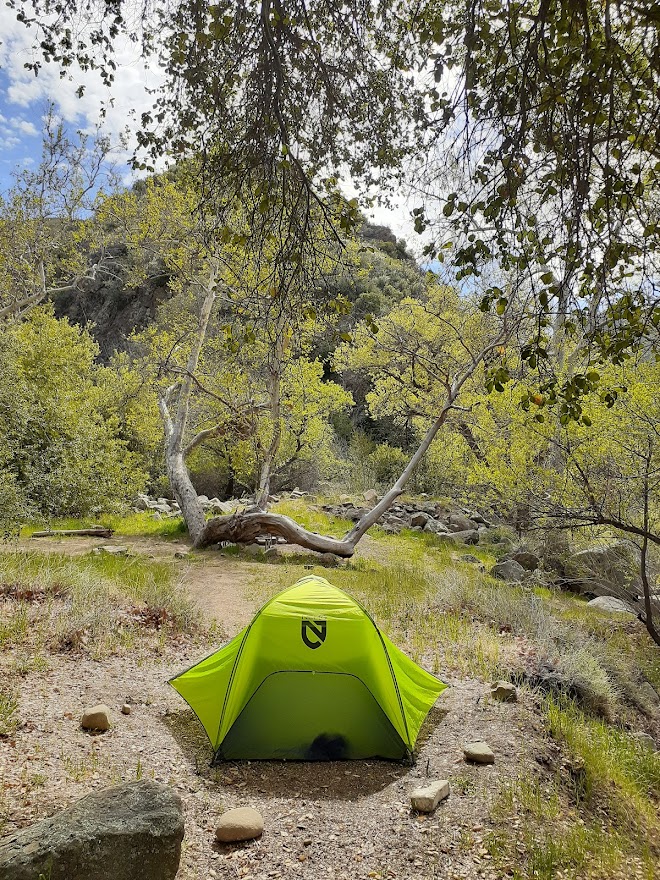
Before I left for this trip, I was reading about a young Honduran boy who was sent by his father to go to the United States border alone. He was nine. I wonder how many of the 2000 miles he had to walk and how many nights he spent alone.
Early in my teaching career I had the privilege of teaching English language learners. Most of these students spoke Spanish as their primary language. On the first day of school, after we all stood and recited the pledge, a clean cut student raised his hand and respectfully announced in crisp, but accented English that the American flag had one too many stars. “Why is that?”, I asked. With a warm smile he replied: “Because most of California belongs to Mexico.” That night I read about the Treaty of Guadalupe Hidalgo. The next day I explained to the class the conditions of Mexico’s surrender in 1848: ceding 55 percent of its territory, including parts of present-day California to the United States. The smiling student, Jesus, became a role model and de facto leader at the high school where I taught.
I remember the day he was deported. I was calling role, and when Jesus did not answer “here” his classmates joked: “Se llevó la migra.” This was the standard reply, used almost daily for comedic relief. Only, this time they weren’t joking. Jesus returned three days later ready to resume his studies, following a 1500 mile journey from Paso Robles to Nogales to San Diego and back to Paso Robles. We all listened intently as he described his journey, which he compIeted using only the spare change in his pocket. Jesus travelled from church to church through Mexico from his point of deportation to Tijuana. Once there he walked across the border wearing his letterman jacket, much like Josh Brolin in “No Country for Old Men”.
The Spanish word for both “border” and “frontier” is the same: “frontera”. In the United States, the frontier is the dividing line between wilderness and civilization. As the continent was conquered this line moved west. Now it is all but gone.
Frontiers offer opportunities.
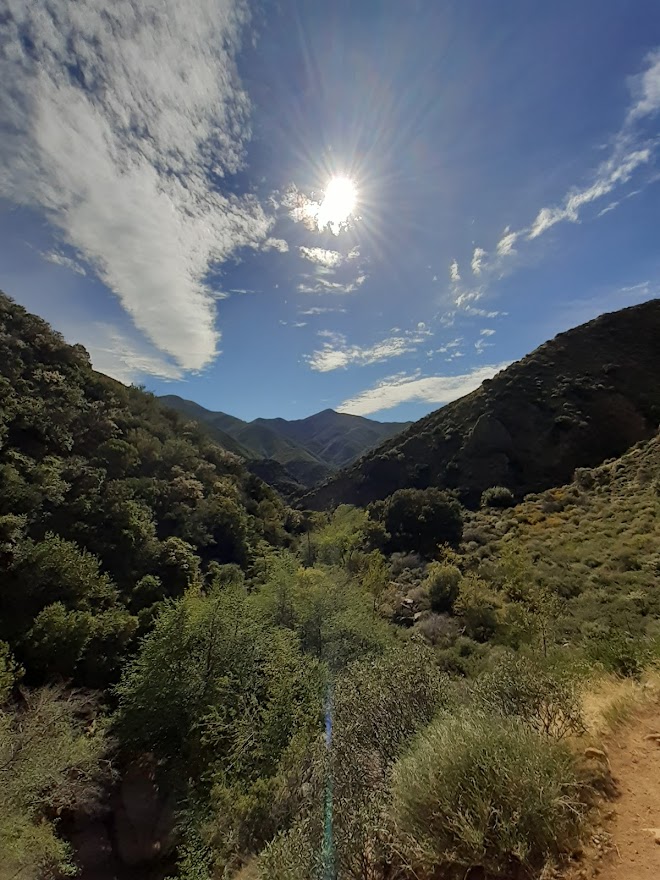
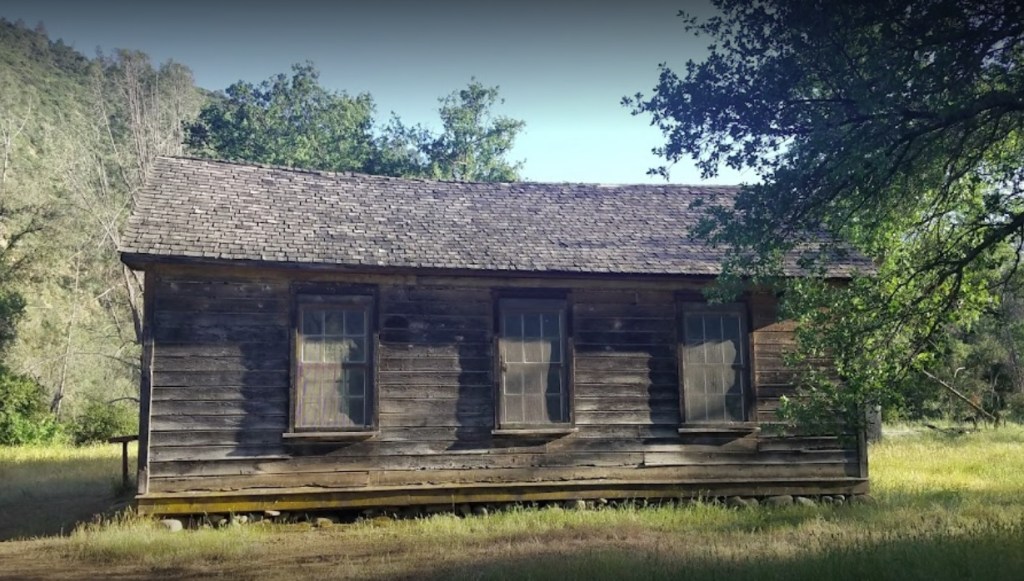
In 1880, marginal 160 acre homesteads were still available near the lower reaches of Manzana creek. Hiram Preserved Wheat (his real name) and his followers established a settlement there – on the edge of the wilderness. An old schoolhouse survives.
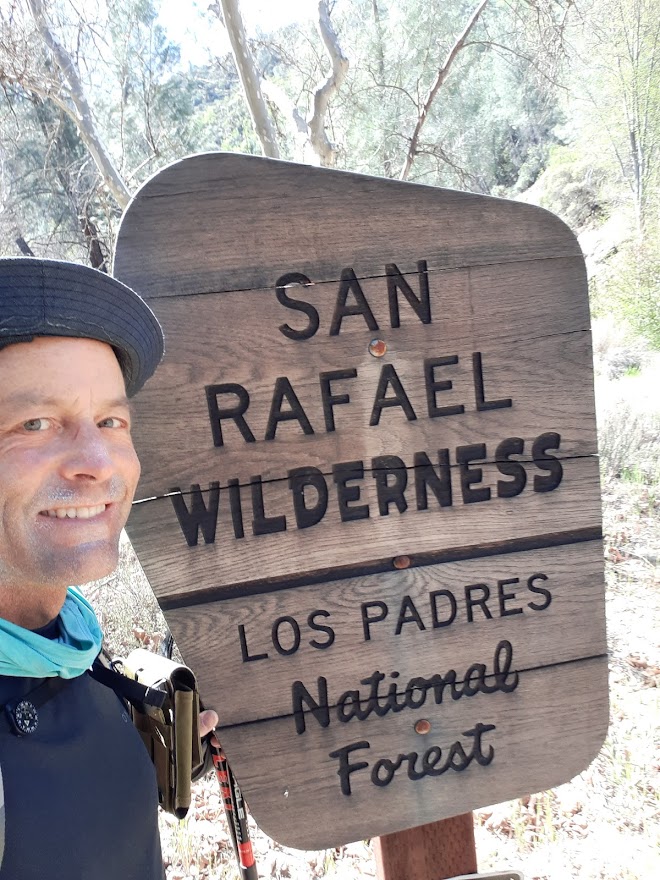
Many Spanish place names remain after the Mexican-American War. That’s something I love about California. Imagine if the victors had decided to anglicize these local place names. I would have been hiking in the “Saint Ralph” Wilderness within the National Forest of “The Dads”.
Jesus went on to obtain United States citizenship, start a family and achieve success as a supervisor with the city parks department. I now consider him a good friend.
Where have my muddled ramblings led me?
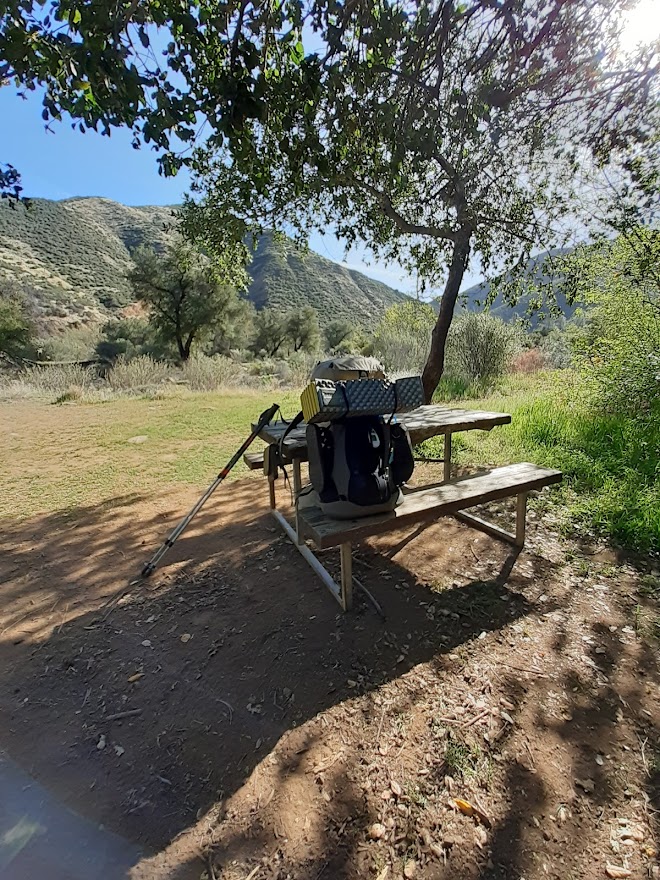
I am back home where I began.
Maybe the land and its people weave a complex tapestry that is defined by those who find success within it.
(Originally published on April 10, 2021)

 "Trail Reports"
Amazing photos! Let them guide your journey.
LikeLike
I love your trail reports–the pictures are beautiful and your musings are always so thoughtful. Thank you for sharing them. I am so glad that there are still wilderness areas that are being preserved.
LikeLike
So nice, Dave. Thanks for sharing
LikeLike
This is just amazing, I’m so happy you’re doing what you love! Makes my heart soo happy! Wish I could be doing this!
LikeLike