Skiing is stupid. I love it anyway. Most skiers I meet also love the sport deeply. A skier has to be in love with the sport to endure all the hassle the pursuit of skiing requires.
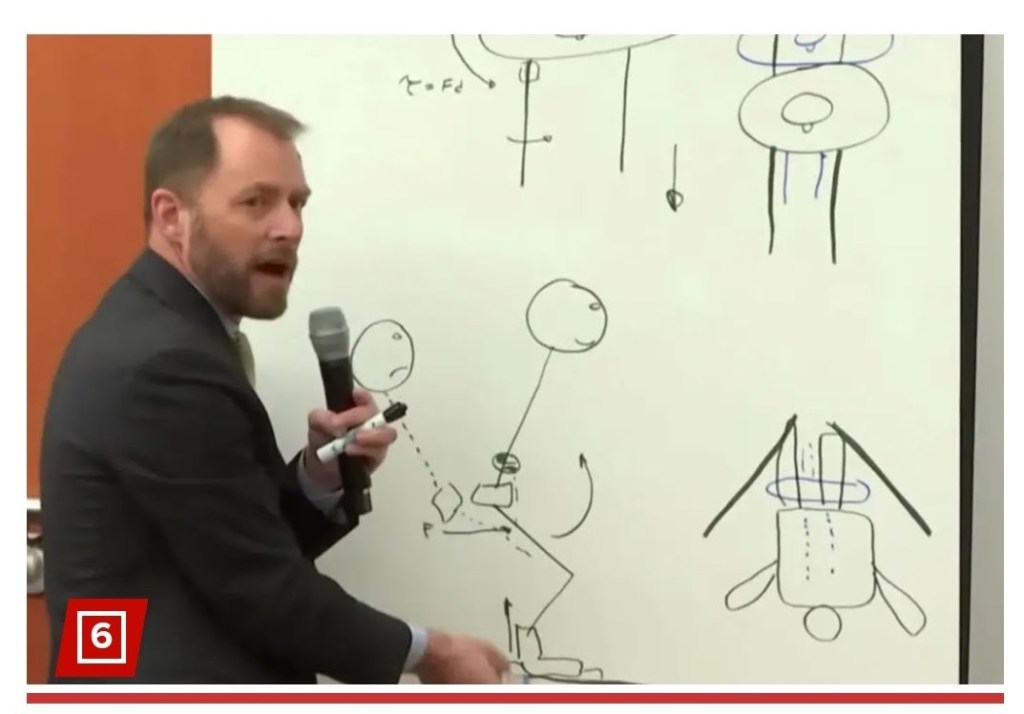
As evidence of skiing’s stupidity, may I submit actual drawings from Gwyneth Paltrow’s ski collision trial. Thank you Gwyneth for helping to make skiing even stupider.
More importantly, skiing is stupid in that there is no way to justify its pursuit. By engaging in the sport I am hastening the day when the slopes will be dry and barren. Despite no small amount of inner conflict, I have decided to fearlessly embrace this dying world, its fading star and our doomed species (Homo sapiens) and do the best I can to mitigate my actions. So I ski. I’ve been skiing now for about 55 years. I couldn’t quit even if I wanted to.
Snow, in all its forms and expressions, is a miracle. As far as sliding on it goes, well that is just pure joy – plain and simple.
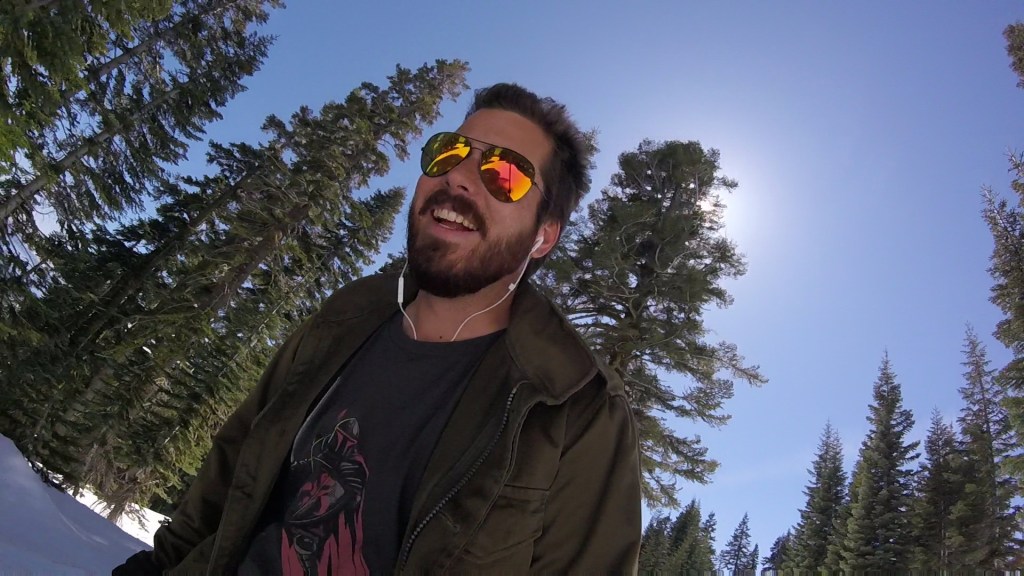
I don’t have the numbers, but I am guessing most skiers who come to the sport are introduced to it by their parents. There has to be some level of inculcation.
Mine began at a young age and it was miserable. I arrived at the ski hill in a crappy, old station wagon. The snow chains always seemed to be banging loudly against the wheel well, creating a thunderous din for its occupants inside the vehicle. I would don my crappy, second hand gear. My old lace up ski boots caused me physical pain. I was always cold. After a morning of being “instructed” by former Troop 84 Scoutmaster Stan Boicourt, who used a pedagogical method known as “yell and repeat”, we would return to the crappy old station wagon and have Lipton Instant Cup-a-Soup cooked by camp stove with a side of Wheat Thins. Then I would return to the slopes for more instruction. Stan’s favorite admonition was “Bend your goddamn knees!”
My father Stan dreamed of a ski cabin. So we bought an empty lot with an excellent view of Brian Head peak in southern Utah and built a cabin. Building the cabin wasn’t exactly fun either, but I loved the cabin as well.
Our first winter “vacation” in the cabin was very cold. We had to put seal skins on our skis and ski our way up the hill for a mile in deep snow hauling food and water. The canned food we brought to sustain us never thawed. We were there for five days! The cans – they never thawed! Oh the humanity!
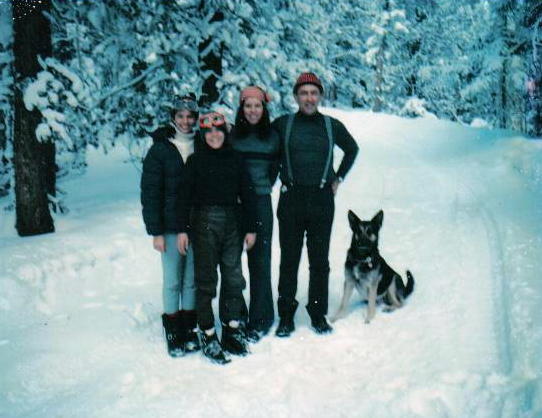
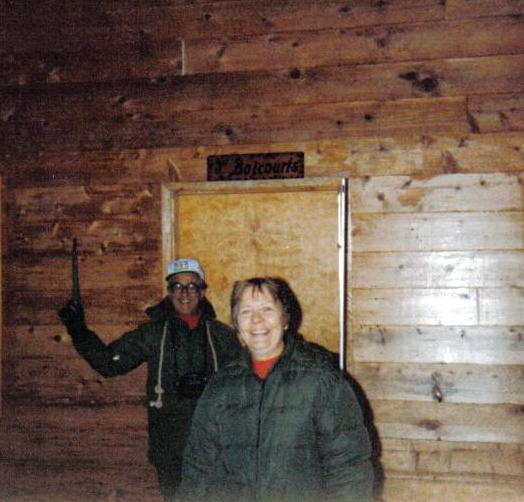
My mom June did not ski, but she could be found cross country skiing around the cabin or snowshoeing or even zooming around on a snowmobile. It was nice to come home to June after a cold day on the slopes. I think she knew better than to go skiing with Stan. It’s funny, I’ve ridden chairlifts with strangers who relate similar stories of being taught the basics of the sport by a hard core father.
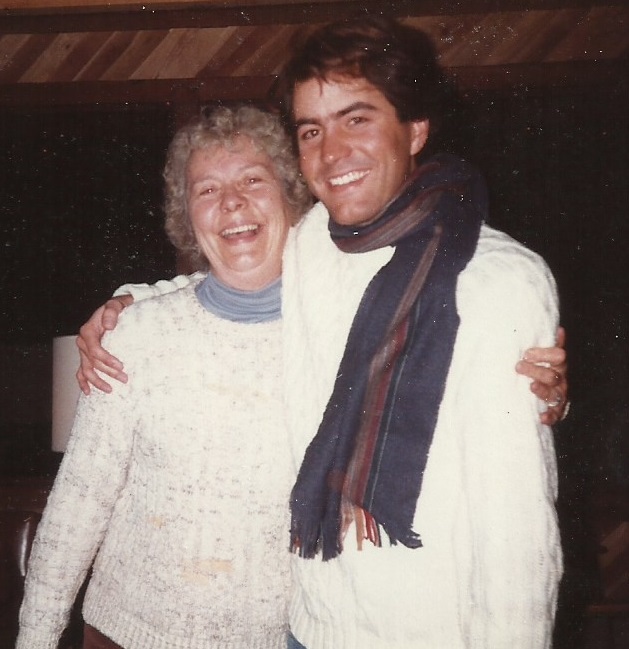
Things eventually improved. Stan stopped yelling. I started getting better gear. The cabin got some upgrades. Then, when I was around fifteen something big happened. The student became the master. I could ski better than Stan. We were on the slopes together. We always skied together. We were sharing some chocolate. Stan always skied with chocolate. He looked at me and said: “You are on your own now.”
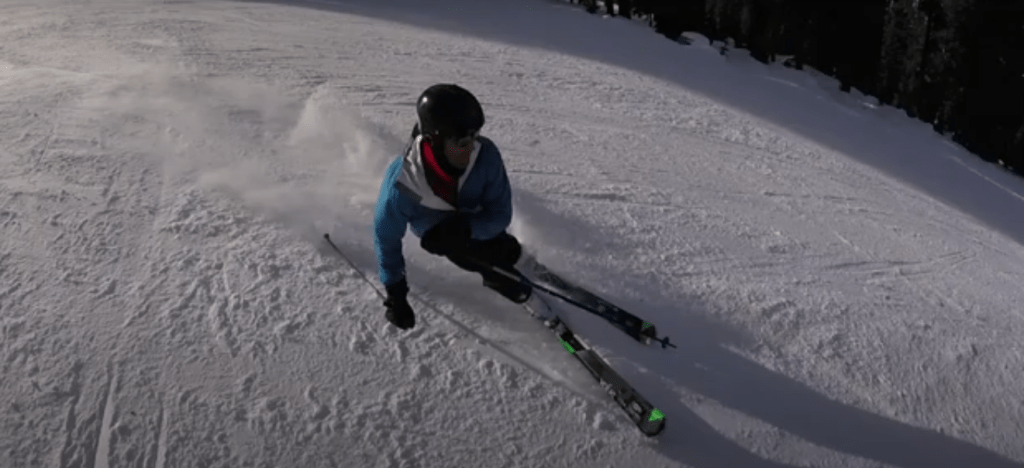
As we grew older, we continued to ski together. Stan skied into his seventies and eventually qualified for a free season pass at Brian Head Ski Resort. He loved skiing. If I took my family skiing, he would buy everyone lift tickets. I’ve continued this tradition with my own adult children.
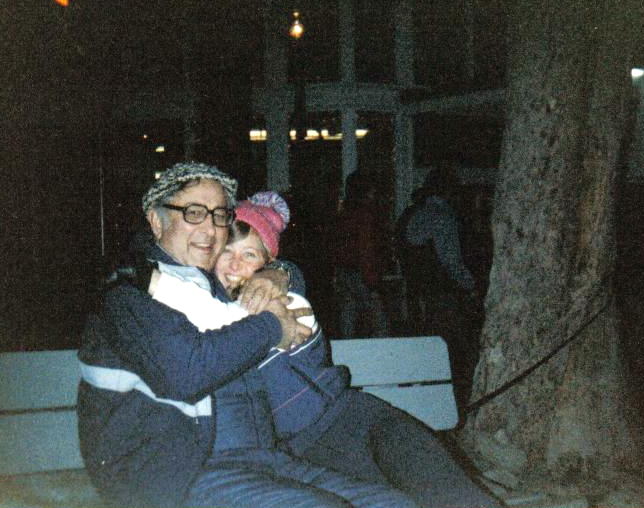
So here I am, driving 400 miles from Atascadero, California to Mammoth Lakes, California – this time with my lovely wife. The car is full of gear. It is not a SUV, nor is it a crappy station wagon. There will be weather. There will be schlepping. Money will be spent – happily, gleefully.
Note: The term “Mammoth” typically applies to four things: the town of Mammoth, the collection of beautiful lakes above the town, the active volcano (upon which skiers and boarders move about like ants on a giant pile of sugar) and the ski resort itself – all of which derive their names from a promotional scheme to attract investors to the Mammoth Mining Company, a late 1800s start up. It was going to be big, mammoth in fact.
This road trip has become a familiar one and it is chock full of interesting landmarks – each one with its own fascinating history. Along the route there are numerous ghost towns (one of which is where my mother June was born.) The geologic story is as fascinating as the human one. (Stay tuned for a road guide for the adventurous traveler.) For this trip we visited the 1872 Lone Pine Earthquake grave site and walked the town of Bishop’s main street.
Humans’ most dominant impact on the region has been the diversion of water from the Eastern Sierra Nevada mountains to the Los Angeles basin. Angelenos (many of them skiers and boarders) drive along the aqueduct that carries water from the snows of Mammoth mountain to their faucets back home.
Mr. Mullholland and the Los Angeles Department of Water and Power gained local water rights under false pretenses and notoriously subverted the Owens river south to Los Angeles, leaving Owen’s Lake high and dry, causing catastrophic environmental change and destroying the local agrarian economy. Not satisfied with that particular feat, they then built an extension that also diverted Mono Creek, the creek that feeds Mono Lake. Mono Lake would have suffered the same fate as Owens Lake had it not been for a band of feisty activists.
Mullholland’s third act was to build a reservoir to store all the water. This was accomplished by building a dam on the Santa Clara River. On March 12, 1928, just before midnight, it collapsed and sent a wall of water roaring down the valley of the Santa Clara River, killing over 450 people.
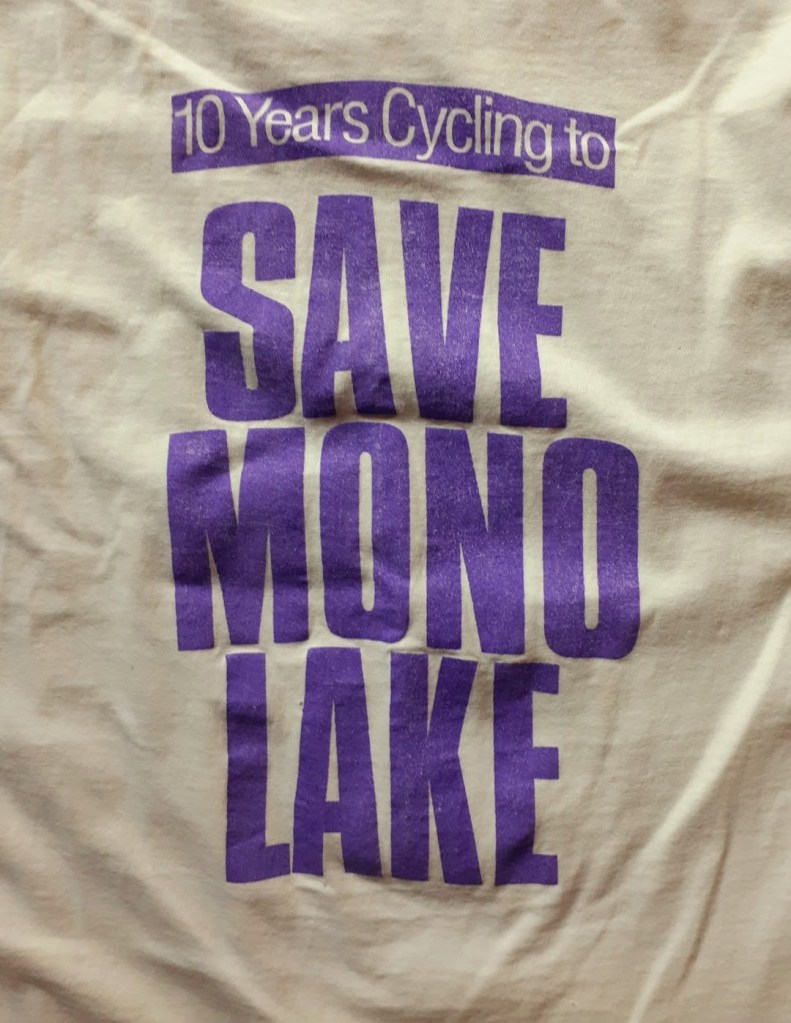
One of my first trips to Mammoth Lakes was on a bicycle back in 1990. I started in front of the Los Angeles Department of Water and Power in downtown Los Angeles. Surrounding the imposing structure are large reflecting pools and fountains. I scooped up some water from the reflecting pools into a test tube, capped it and taped it to my bicycle frame. I then pedaled the 400 miles back to the water’s source and ceremoniously returned the water to its rightful place, Mono Lake.
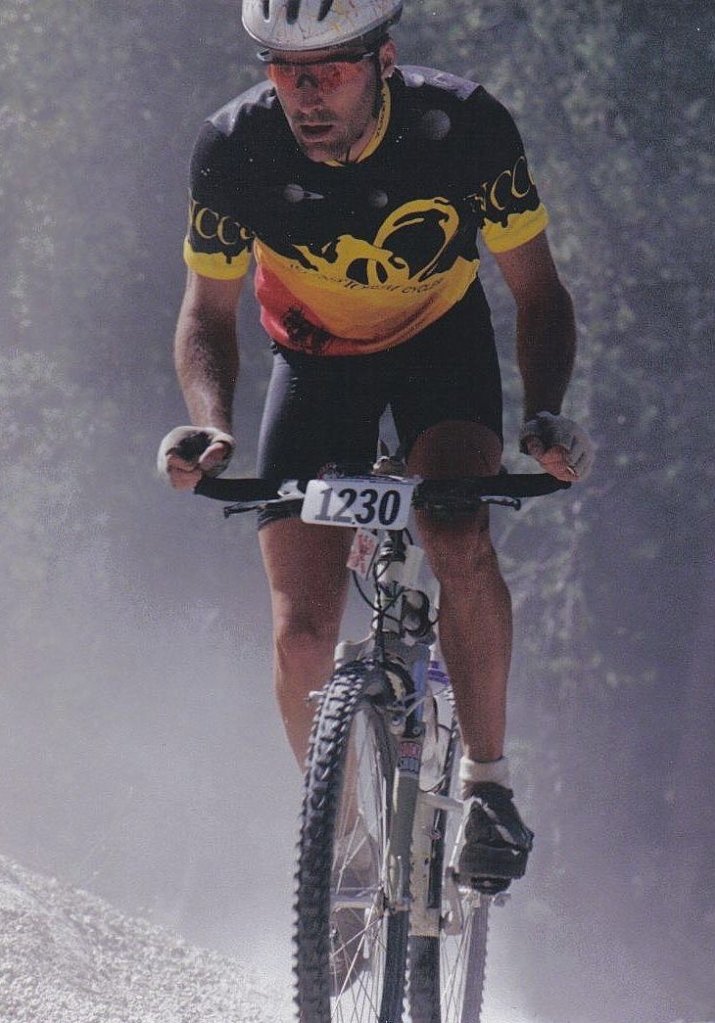
My second trip to Mammoth was in 1992 as a competitor in the National Off Road Bicycle Association’s World Championship Cross Country Mountain Bike Race where I bravely distinguished myself as the 13th finisher in the amateur “sport” Category (age group 27 to 34.)
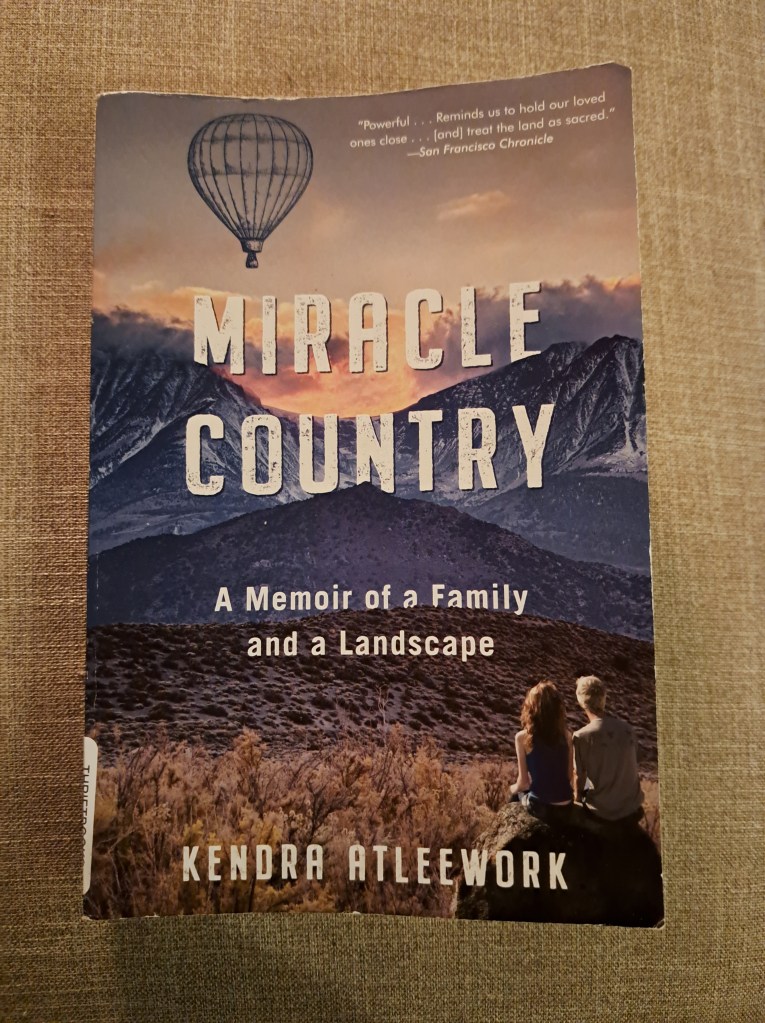
Our companion on this most recent road trip was Miracle Country by Kendra Atleework. It is an ambitious and impressive memoir by someone who grew up in the northern part of Owens Valley, close to Mammoth Lakes. The fact that Kendra’s book and this Road Trip Report share “miracle” in the title is purely coincidental.
Regarding ski trips in general, after all the trouble and expense, there will hopefully be a moment or two of miraculousness. Here I present for your consideration a partial, but not impartial list of small skiing miracles.
A partial, but not impartial list of small skiing miracles…
(In no particular order).
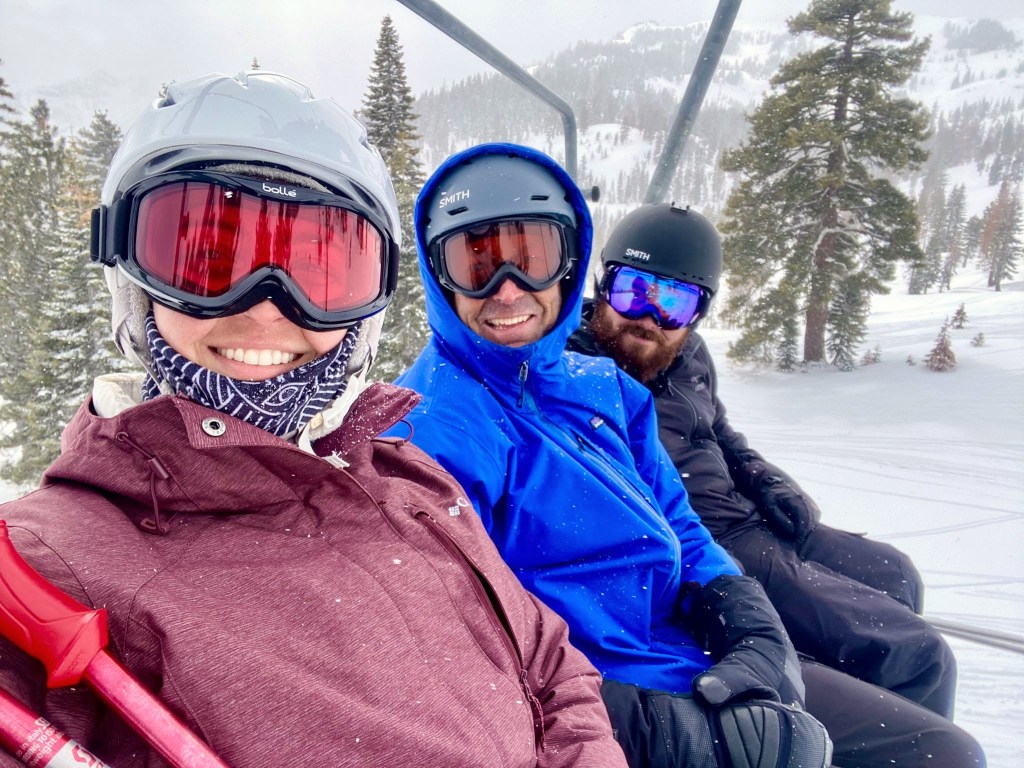
Skiing with loved ones (and discovering that they still love you after having taken them skiing)
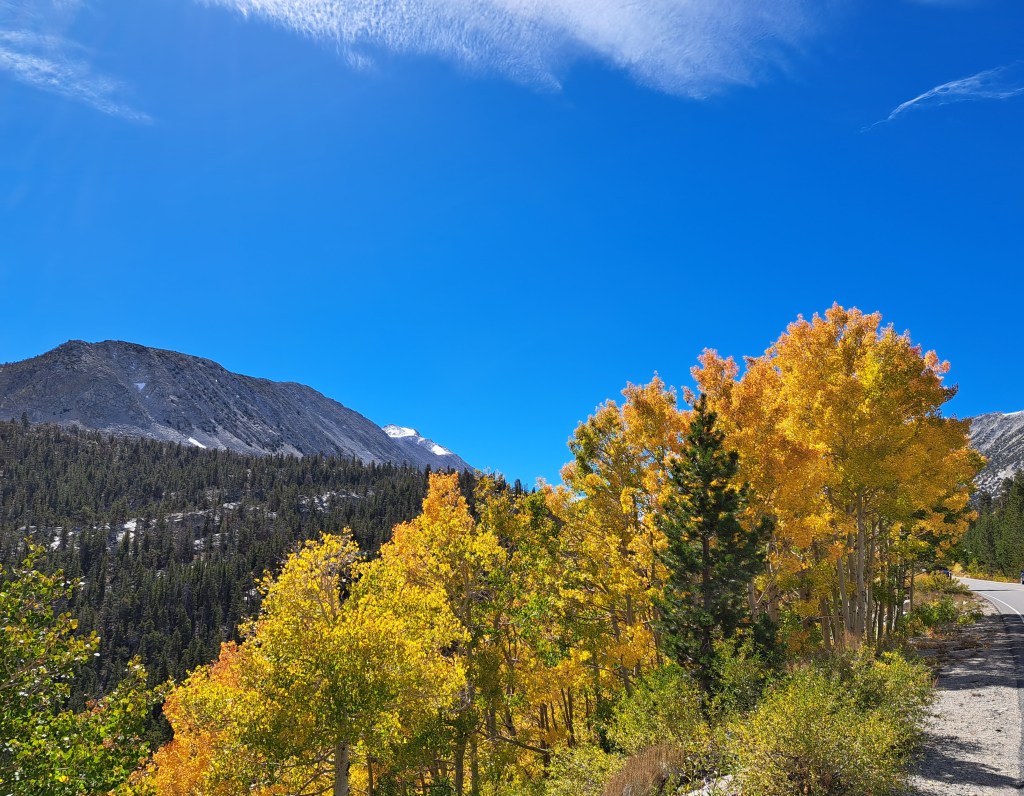
Late Autumn (when a skier’s eyes turn to the mountain tops in anticipation of the first snowfall)
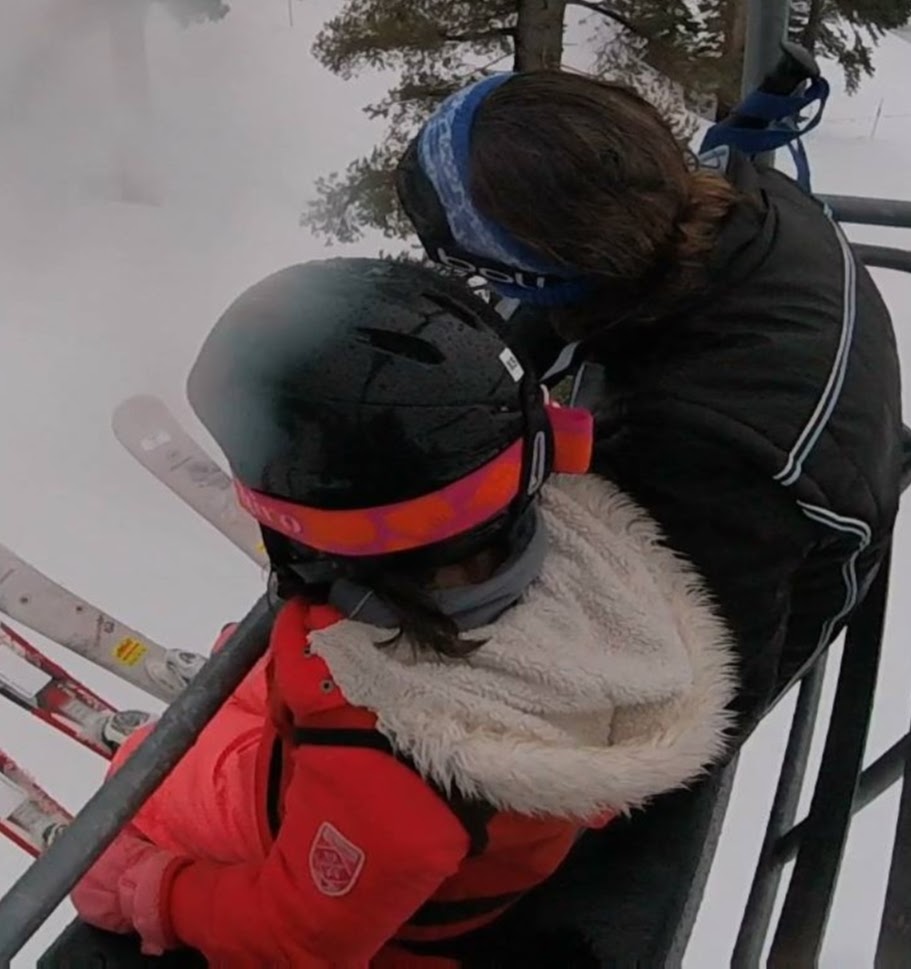
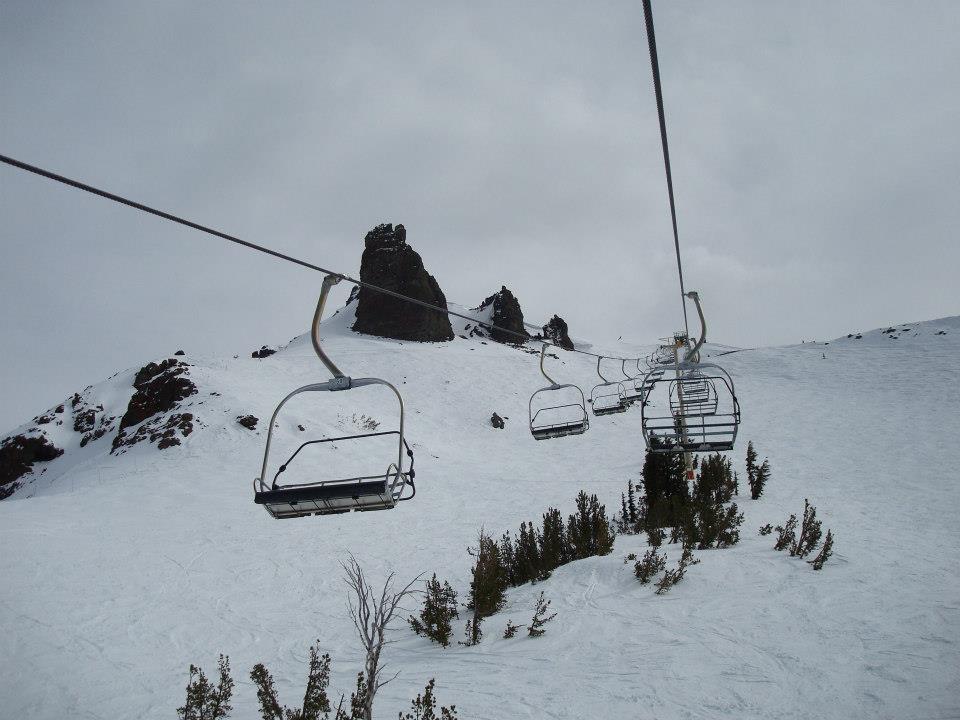
Riding chair lifts with strangers (It is remarkable how much you can learn about a person in five minutes. Sharing a chair lift is special and intimate.)
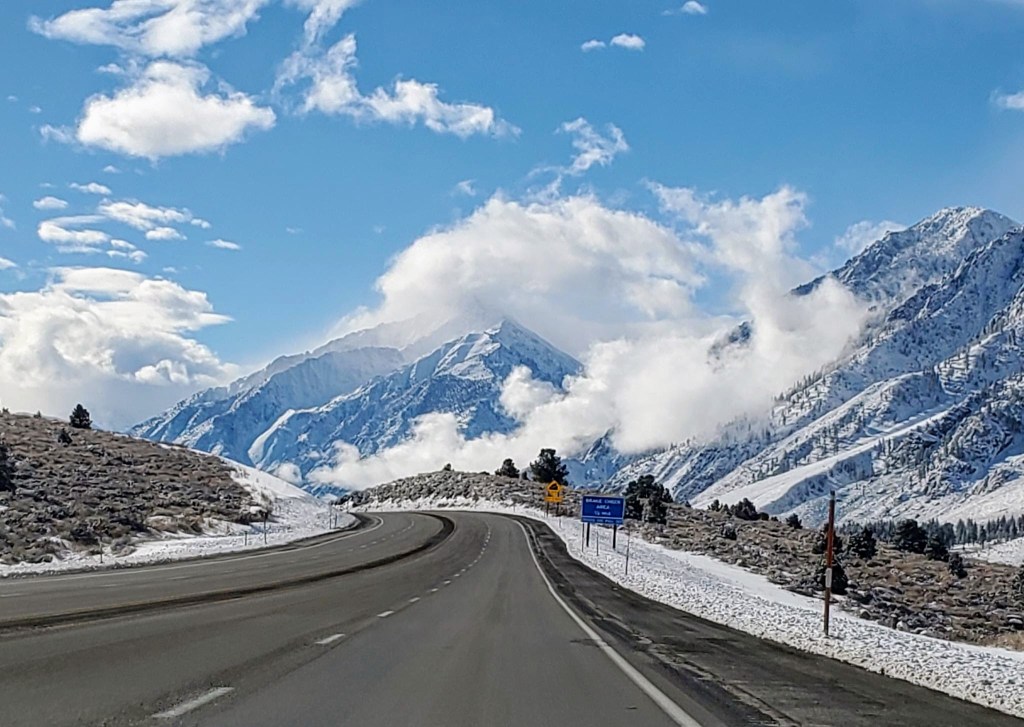
The long drive (through beautiful country to arrive at your destination)
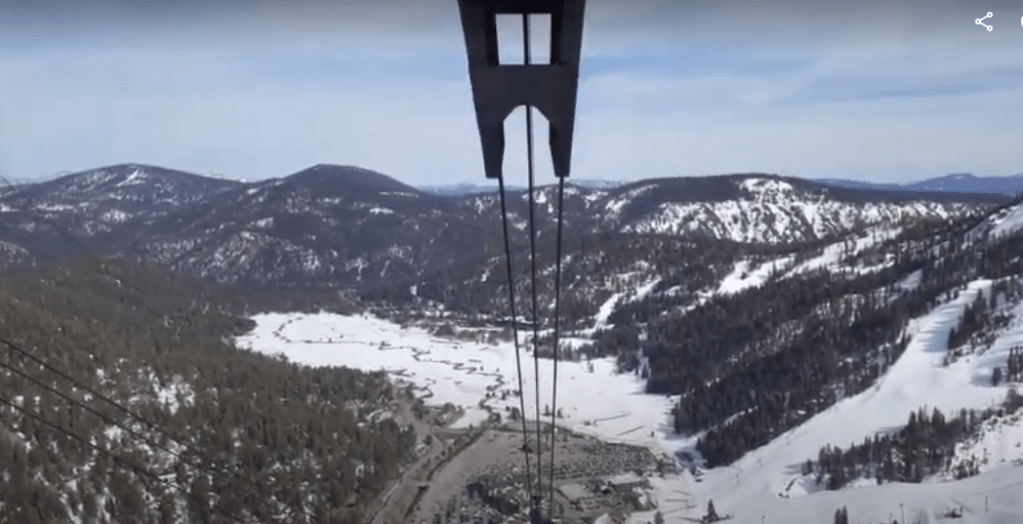
Tram rides
An “easy black” (Ski runs can be designated as “easy”, “more difficult” and “most difficult” which correspond to the colors green, blue and black. An “easy black” is a bit of an oxymoron apparently used by some fathers to encourage their children. A father might be heard saying, “Come on! It’s an easy black!” )
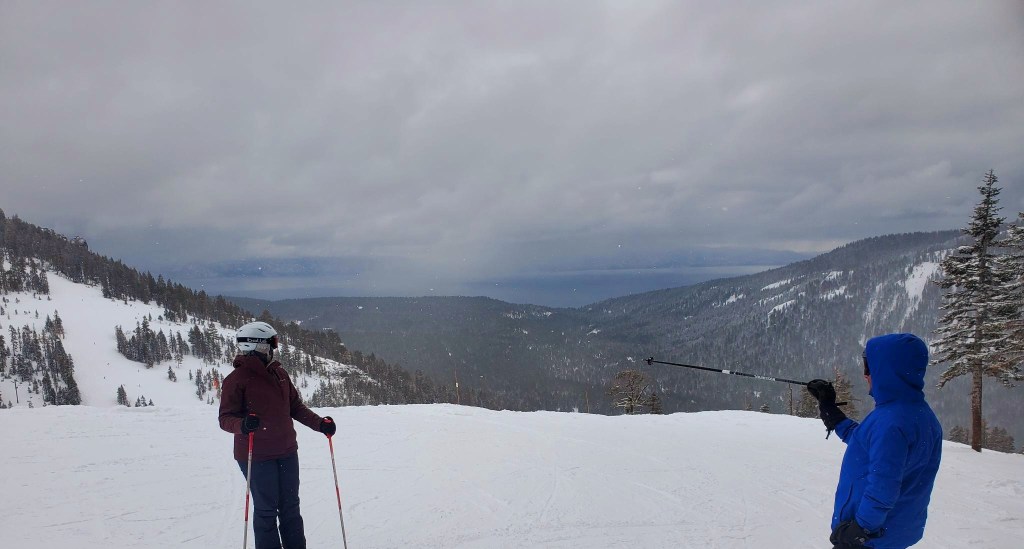
I’m not sure who took this photo, but it’s pretty good.
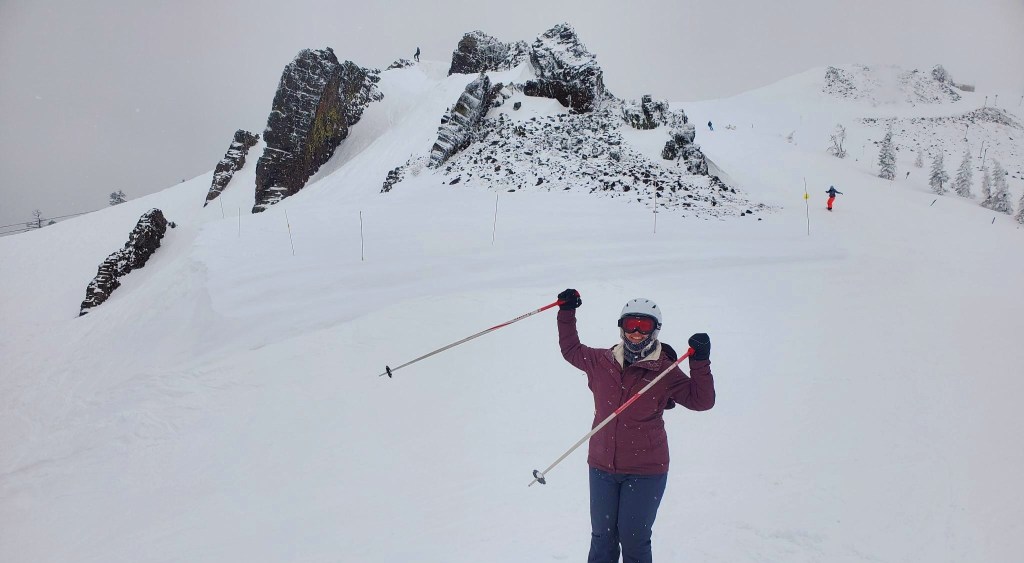
Bluebird days (Skiers and snowboarders use the term to denote a clear day after a storm when the sun is bright, the sky is blue, the air is still and the slopes glisten with clean, fluffy snow.)
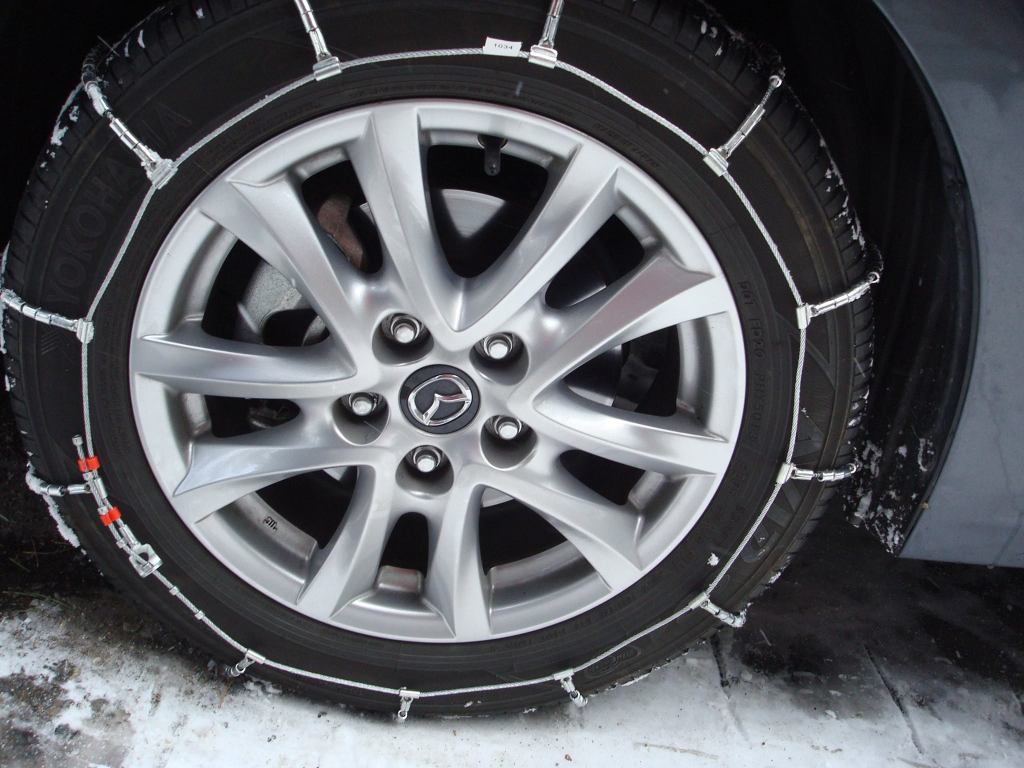
Having to put on car chains (It still sucks, but it is a good thing.)
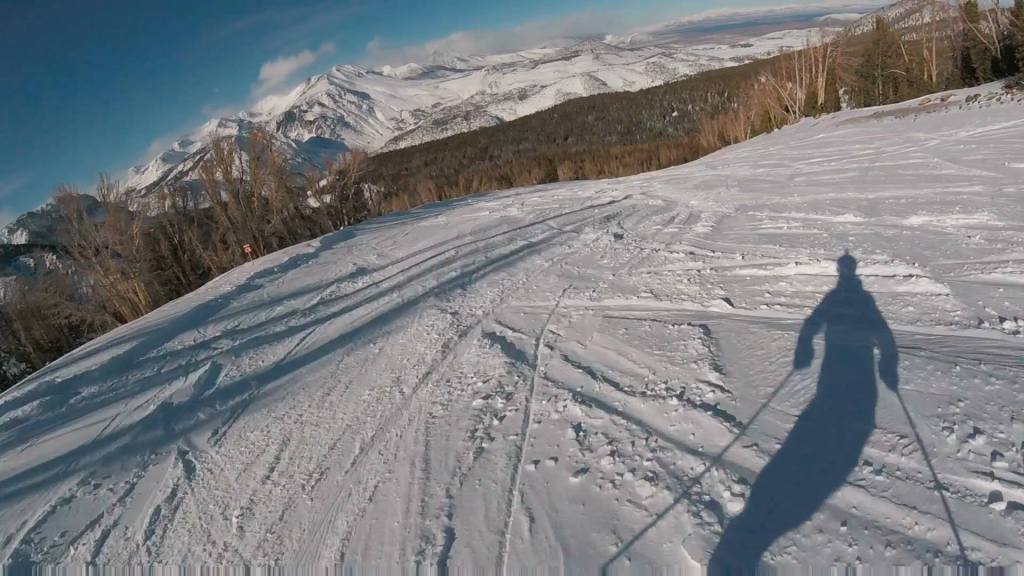
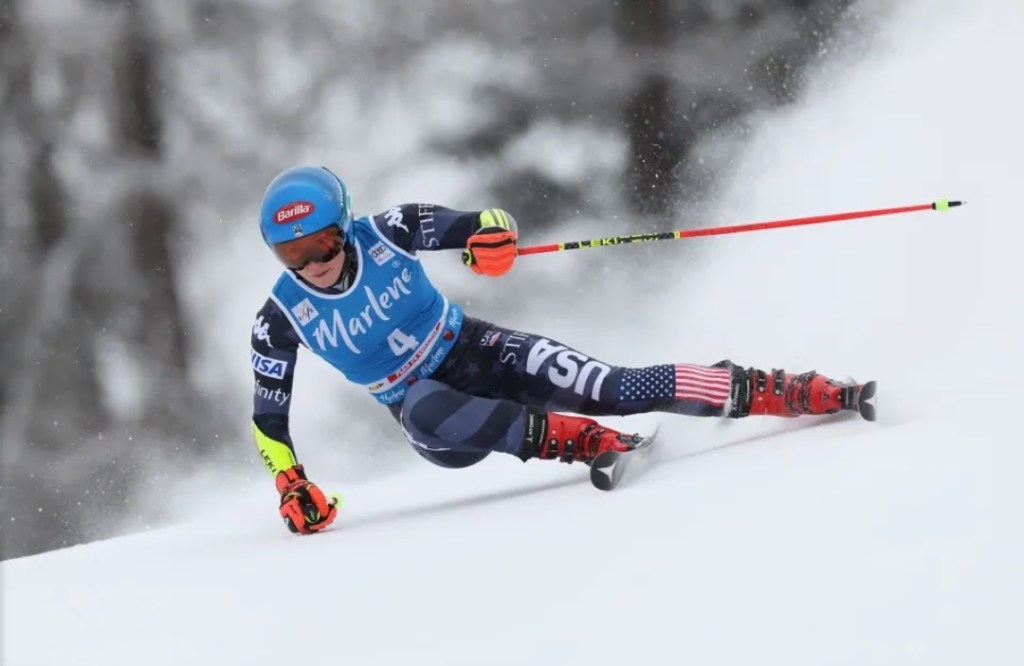
Watching a master of the sport
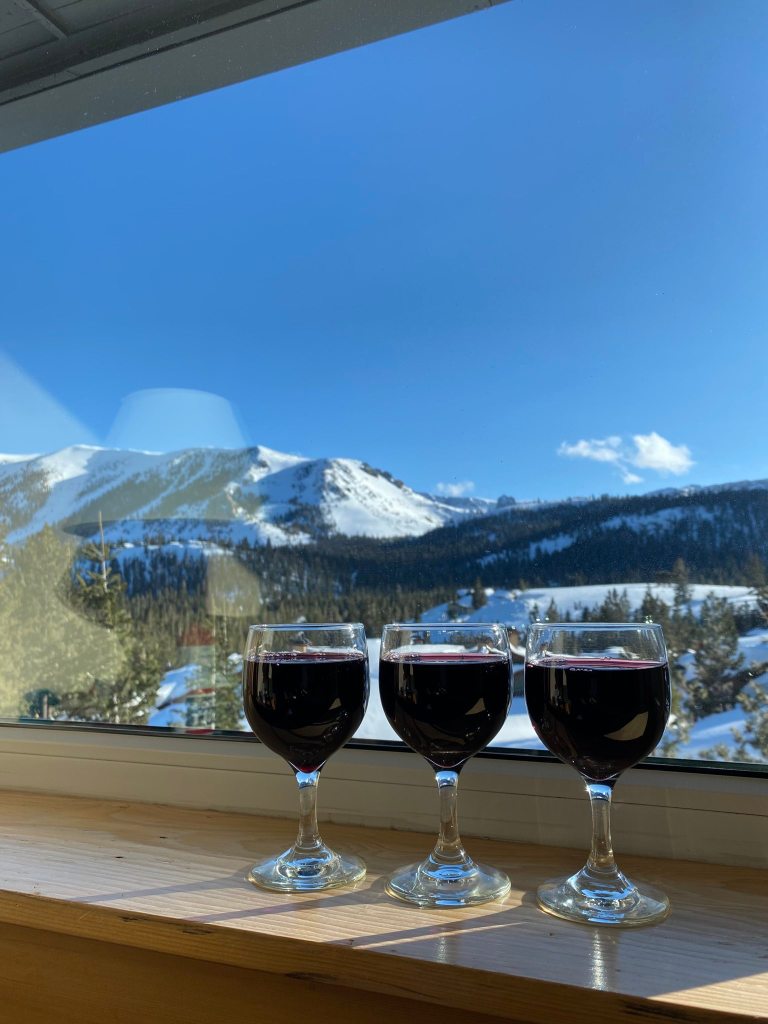
Après Ski
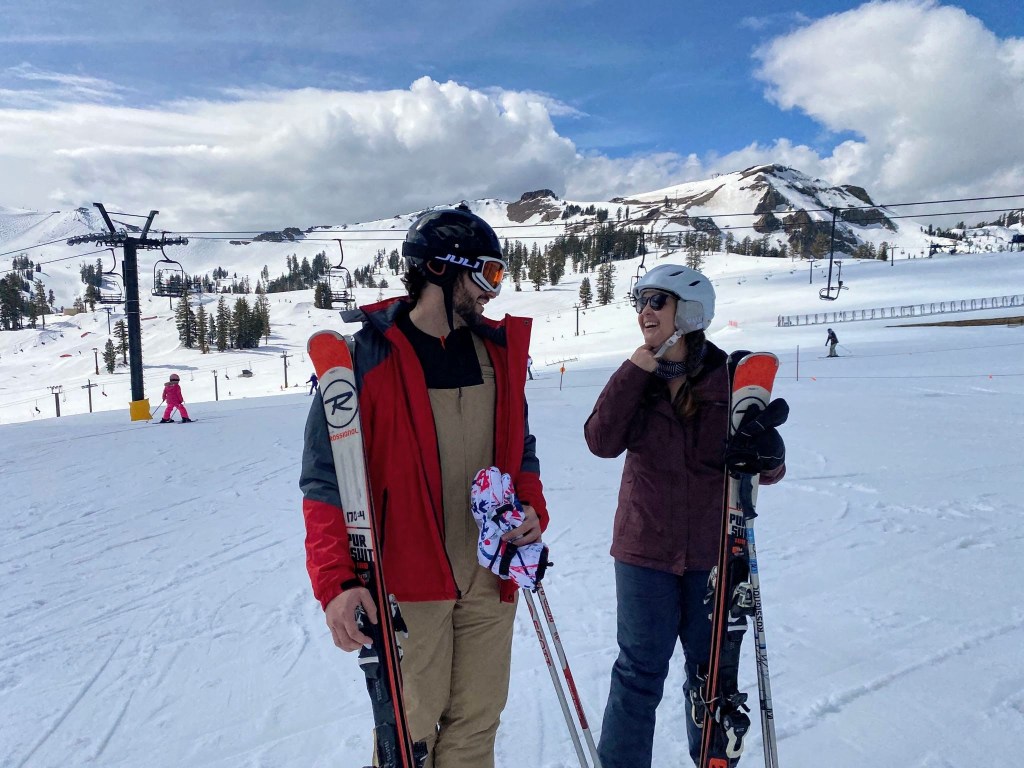
Introducing the sport to someone new
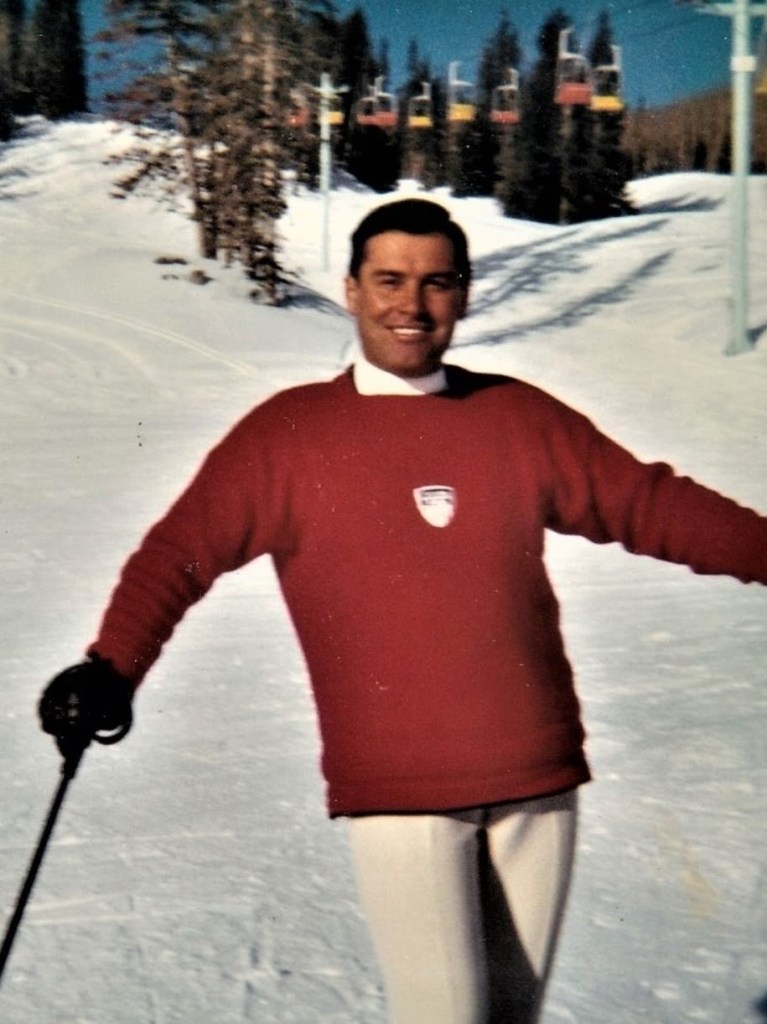
The carved turn (A friend of Stan’s from Brian Head Ski Resort was a German named Georg August Hartlmaier. He was one of Brian Head’s original founders as well as a master of the carved turn. His advice to me was to buy a pair of Volkl skis. “Zey turn themselves! Zey turn themselves!” They kind of do!)
Lining up early to be one of the first skiers down the hill on a powder day (The fun part is the anticipation of standing in line. There is a shared love that is expressed in a unified cheer when the first chair gets filled with a lucky and devoted squad of riders.)
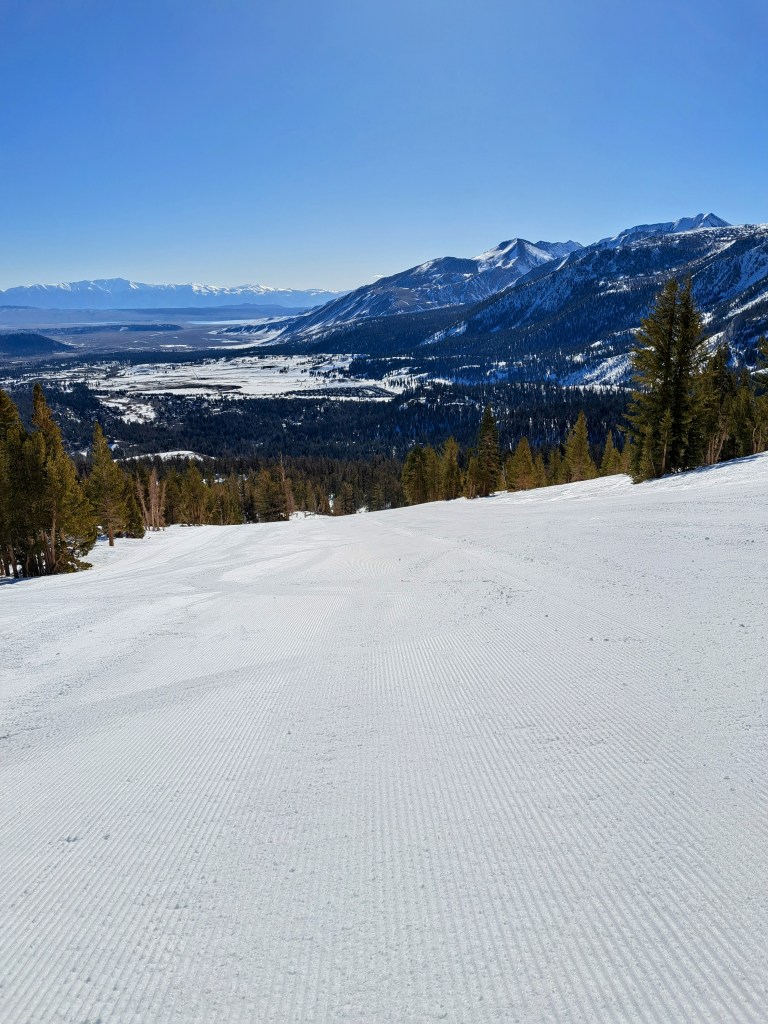
Early morning corduroy (While the skiers sleep, snow machines climb up and down certain slopes, erasing the day’s ski tracks and leaving behind a clean slate of groomed “corduroy” for the early risers’ enjoyment.)
Chocolate Bars and a Cup of Instant Noodle Soup

The last run of the day (from the top of the mountain to the lodge)
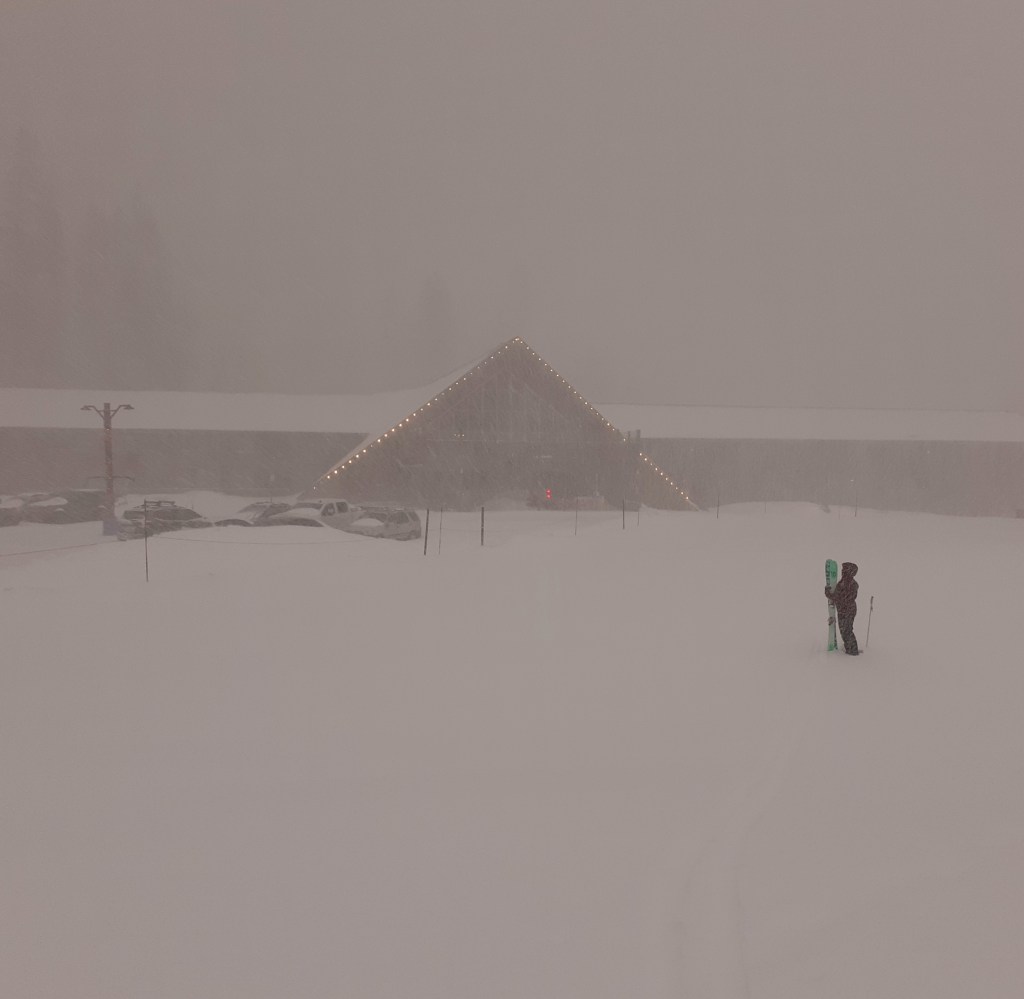
Photo Credits go to D. Boicourt and the Boicourt Archives, except where otherwise indicated.

 "Trail Reports"
When a very young David rode a chairlift for the first time, skiing down the hill came so easy to him that he thought the point of the whole endeavor was the ride up, like at an amusement park. He raced down to take the ride again and again.
LikeLike
Oh my gosh, I completely forgot about this! Thanks for the memory!
LikeLike
The “Chinatown” Addendum:
The story of the Owens Valley water wars is a good one, worthy of a writer like Steinbeck. The story is complete – perfect, even. Mulholland’s famous quote puts a bow on the whole sordid tale. When he finally delivers stolen water to the San Fernando Valley he says, “There it is. Take it.”
It marked the fall of the Owens Valley and the rise of the City of Angels, the same city that chose to use film to portray a story about what happened after Mulholland’s reservoir failed.
Why then did Hollywood come up with a fictional fourth act to Mulholland’s three act opus? I don’t know, but you need look no further than the terribly racist production by Roman “The Pedophile” Polanski: “Chinatown”.
In this fictional continuation of the Owens Valley water wars, “Mulwray” (Mulholland) is asked by the water department to build another reservoir. If at first you don’t succeed, try, try again. Mulwray says “no way”. So they drown him. How appropriate. But not before he is accused of having an affair with his wife’s daughter. Don’t worry, it is not incest! The daughter’s father is not Mulwray but her mother’s dad, that is Mulwray’s father-in-law. (I apologize. It was incest after all.) It also turns out that the water department is dumping water at night to create a fake drought which drives down agricultural land values. With the orange groves drying up, the bad guys can then buy up land on the cheap. Now that Mulwray is dead and a new reservoir is moving forward, the orange groves can give way to tract housing. Only one person can unravel this convoluted plot, and that is private detective Jake Gittes.
It is rotten to the core, and by that I mean the movie and its ridiculous plot (not the water department.) Critics still love “Chinatown” and its closing line: “Forget about it Jake. It’s Chinatown.” However this critic recently rewatched the movie and found that it had not held up very well. “Forget about watching it Jake, it’s Chinatown the movie.”
I wouldn’t mind seeing a remake, where the closing line is “There it is. Take it.”
LikeLike