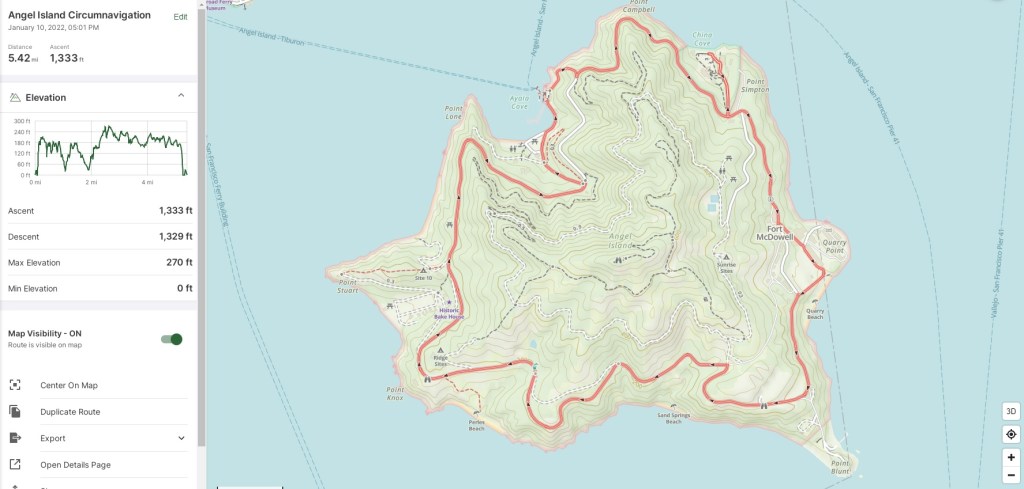
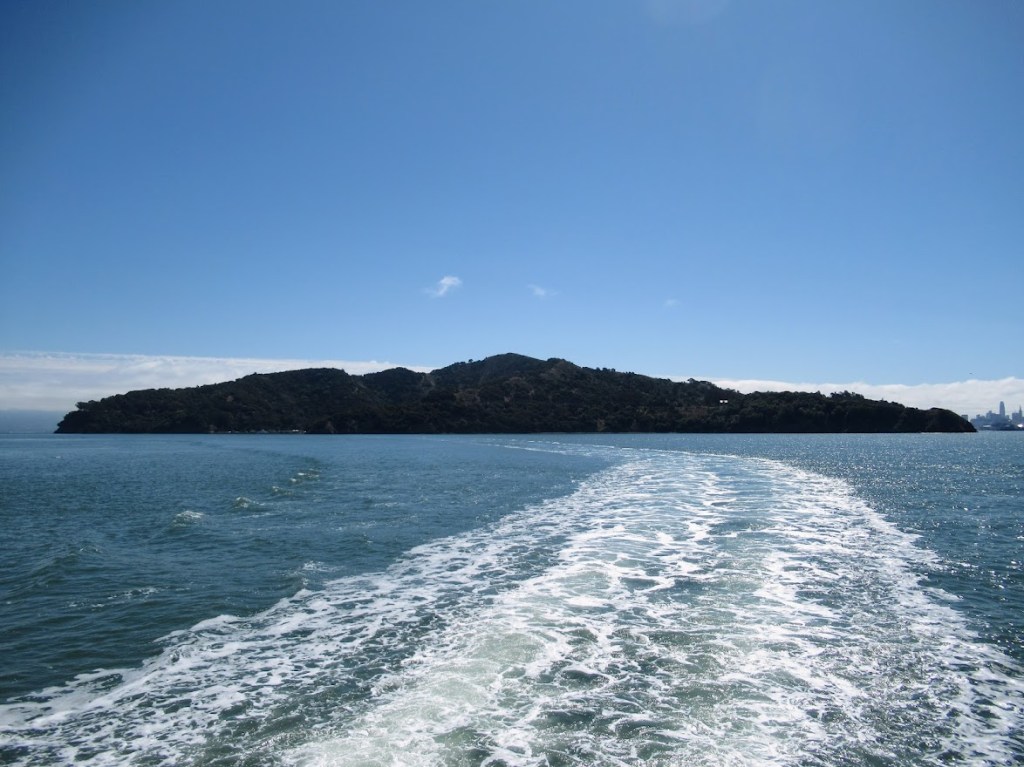
Following my Trail Report on Angels Landing (in Zion National Park), I thought it only fitting to report on a recent visit to another angel, Angel Island, located in San Francisco Bay.
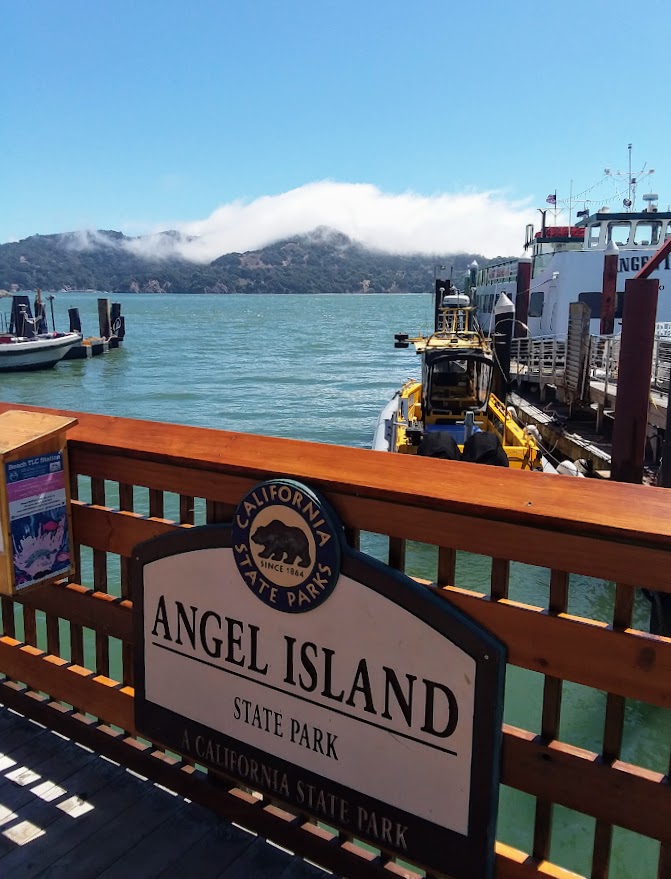
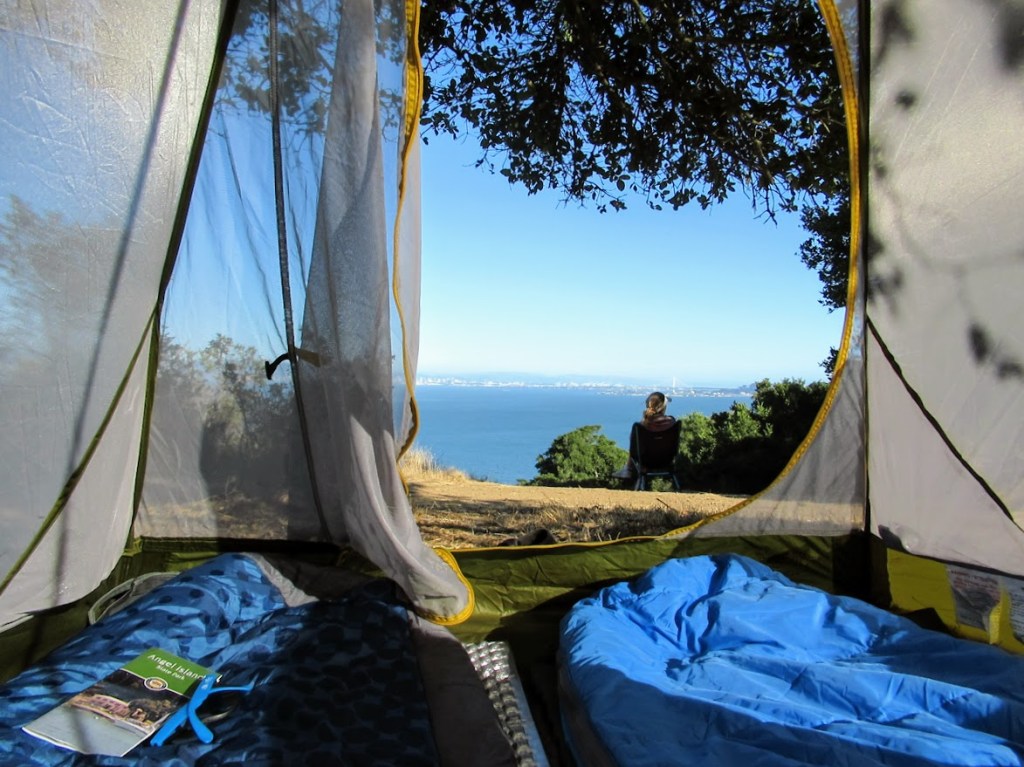
In order to visit the island, travel to Tiburon, California and take the ferry. If you are lucky enough to have a camping reservation you can spend a quiet evening alone on the island in the middle of a large metropolitan area. There are no cars on the island so you must hike a few miles to your campsite.
For either a day trip or an overnighter, I recommend a hike around the island with some time spent at the Immigration Station. The views from the island are spectacular and ever changing as you navigate the perimeter of the island.
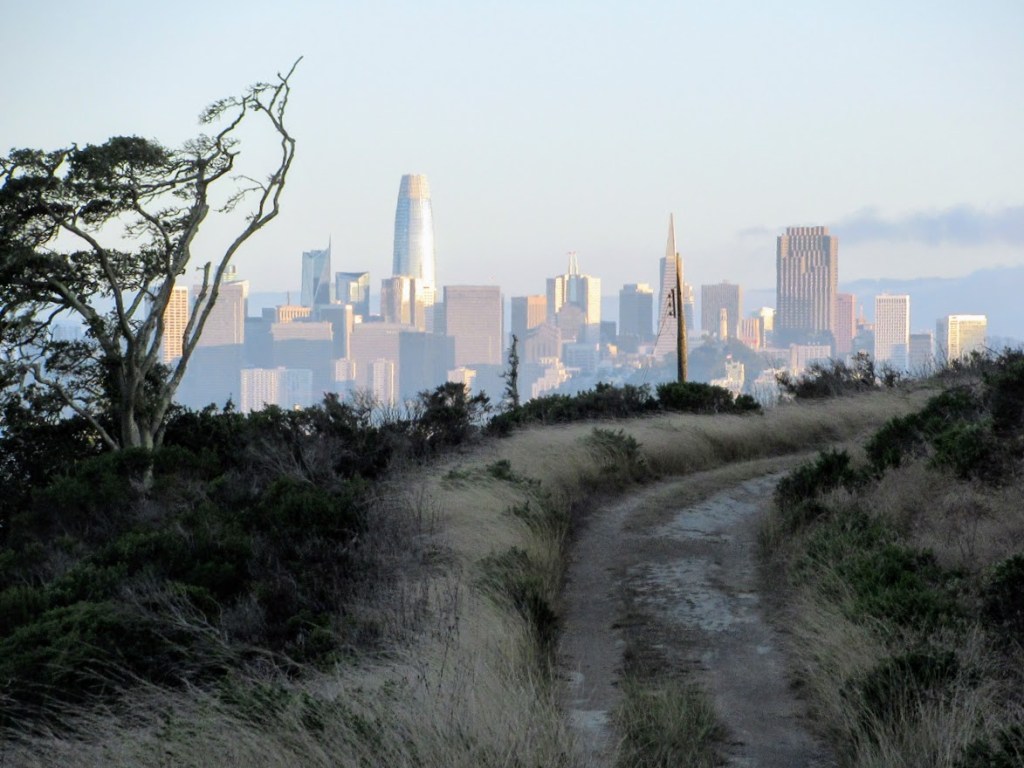
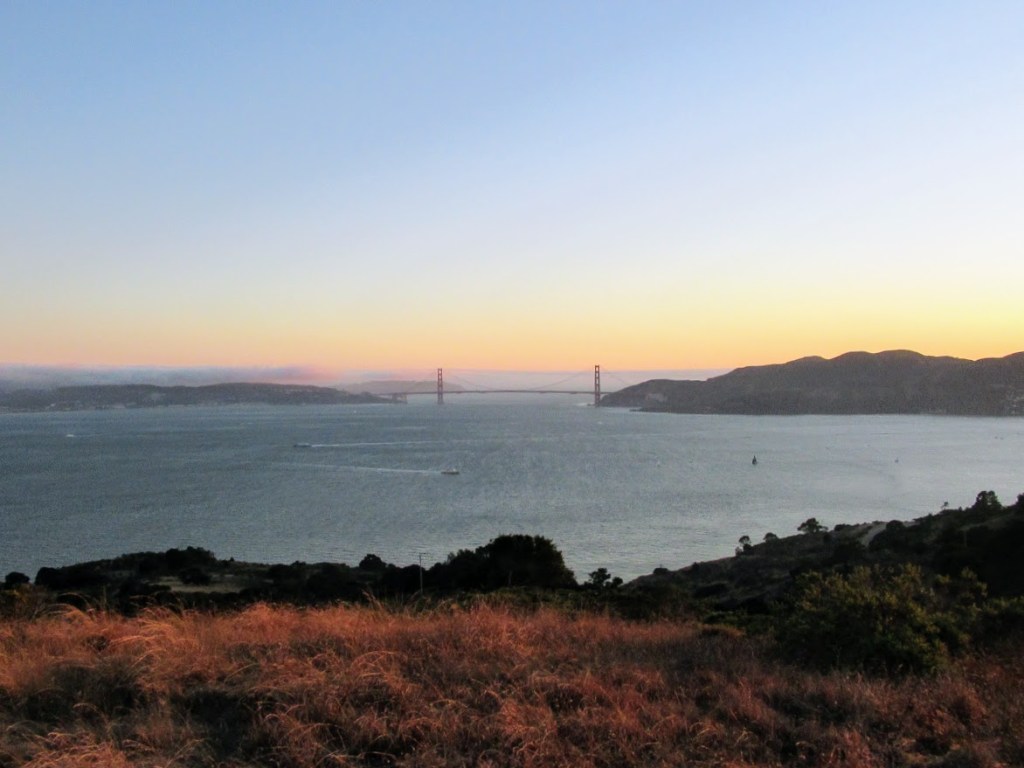
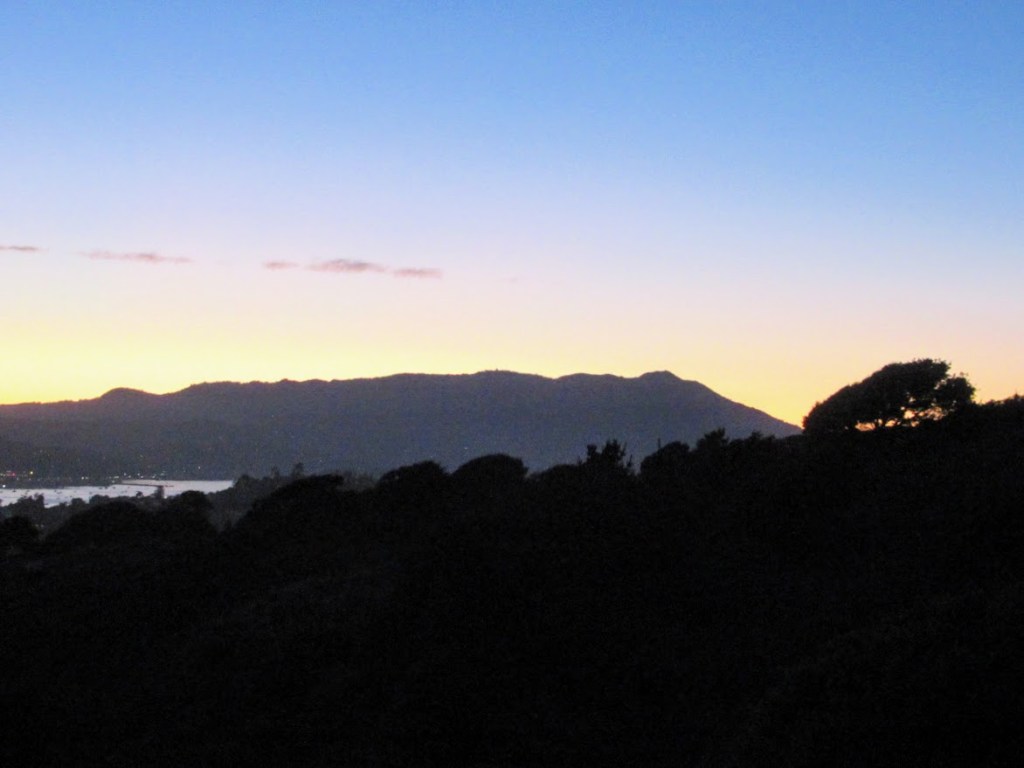
Angel Island sits at the crossroads of a turbulent nation. The island has witnessed events related to many wars, both official and unofficial.
Here they are, in no particular order…
The War Against the Sea – Until around 10,000 years ago, Angel Island was a peninsula. With the end of the last ice age, she lost her battle against the sea and became an island.
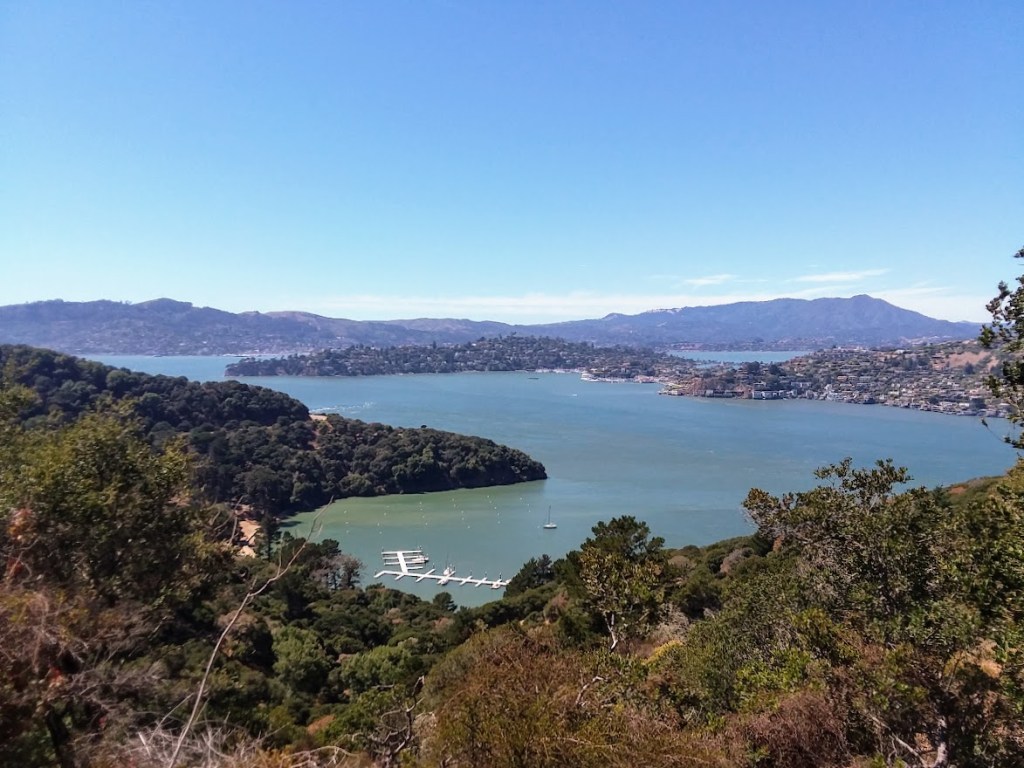
The War Against the Miwok Indians – Around 2,000 years ago, the Miwok people used the island for hunting and fishing. By 200 years ago, European settlers had replaced the Miwok people with cattle. The army also established an infantry garrison on the island during the United States’ campaigns against Native American peoples in the west.
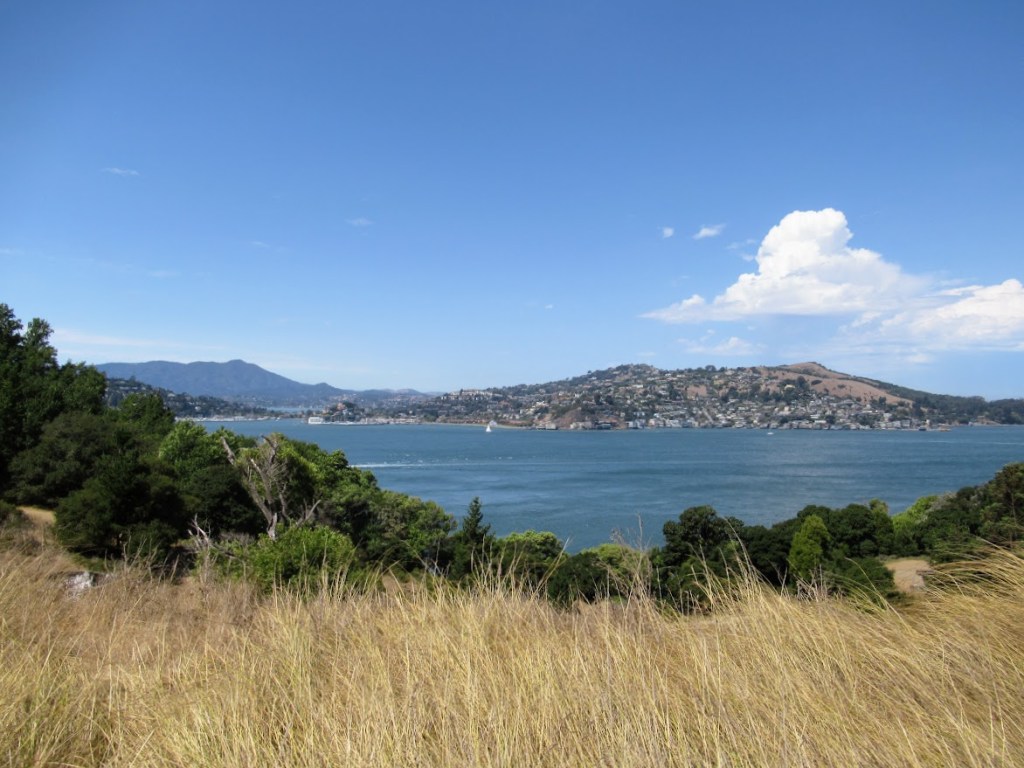
The War Against Ourselves – In 1863 artillery batteries were constructed on Angel Island. The Union was concerned about Confederate naval raiders attacking San Francisco.
The War Against Spain – During the Spanish-American war the island served as a discharge depot for returning troops.
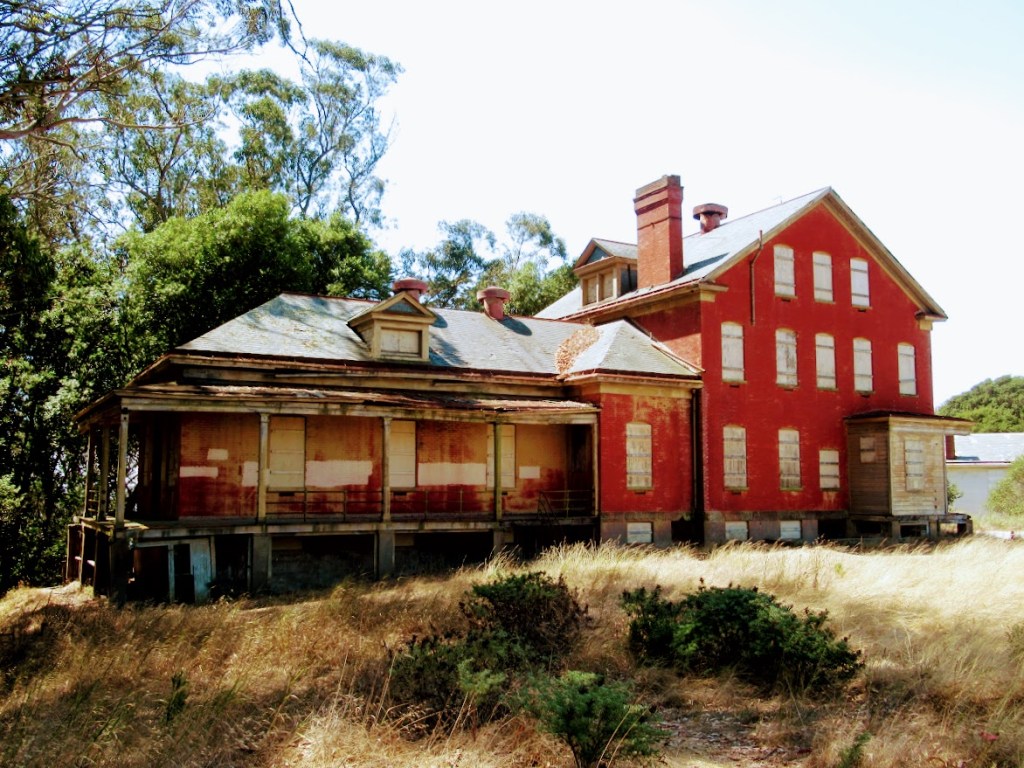
The War Against Disease – In 1891, a quarantine station was opened at “Hospital Cove”. Immigrants suspected of carrying diseases like Smallpox and Bubonic Plague were kept in isolation there. A 14-day stay included daily fumigations and flushing of the barracks with sulfur dioxide and salt water.
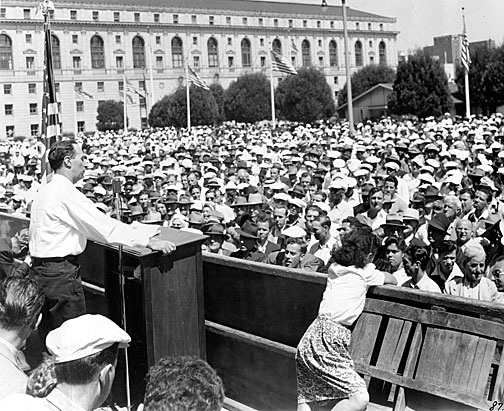
The War Against Harry Bridges – In 1938, hearings concerning charges of membership in the Communist party were held on Angel Island against labor leader Harry Bridges. He was acquitted.
World War II – During World War II, troops were processed at Angel Island.
The War Against Spies – Also during World War II, the island was used as a detention station for Japanese, German and Italian immigrant residents of Hawaii who had been arrested as potential “fifth columnists”.
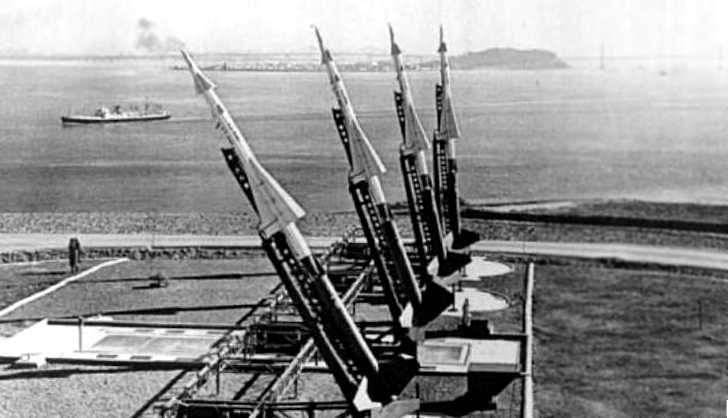
The Cold War – In 1954, a Nike missile station was installed on Angel Island. One was installed on the top of Mount Caroline Livermore. The top of the mountain was flattened in order to make room. (Mount Caroline Livermore was restored to its original contours in 2006.)
The War Against Eucalyptus Trees – In the 1980s, California State Parks began removing Eucalyptus trees from the island. A few historical groves remain. Other non native plant species have been removed. Native plants have been reintroduced. The army also introduced Mule Deer to the island in 1915. The deer quickly overpopulated the island and now have to be “controlled” (The War Against Deer.)
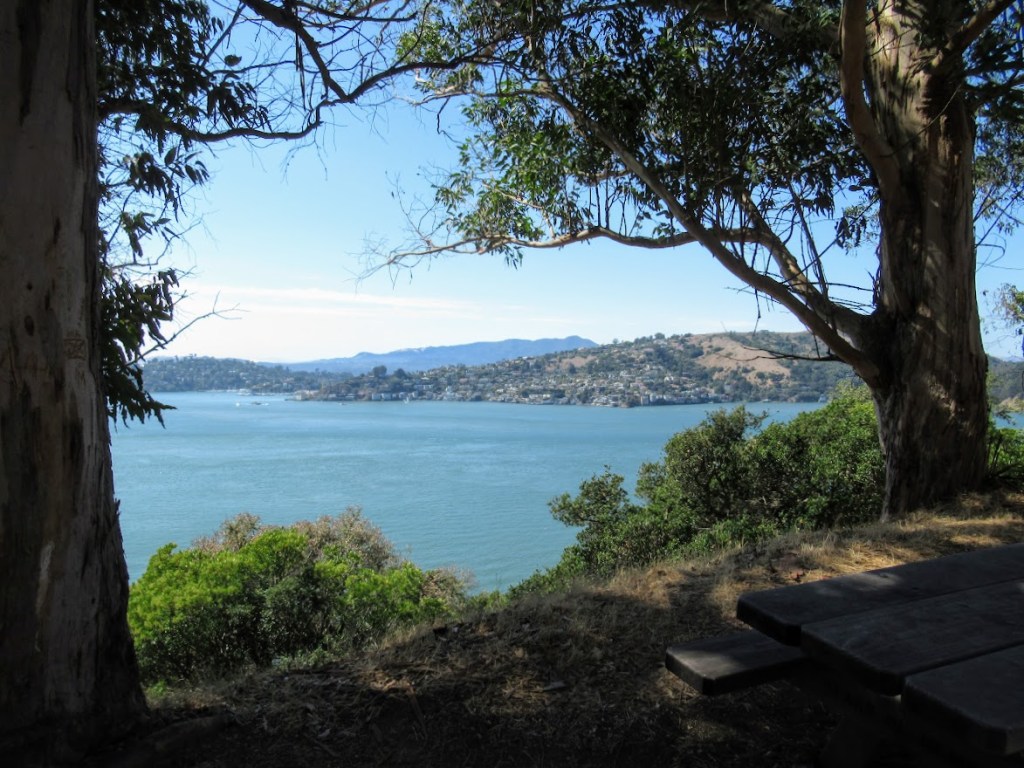
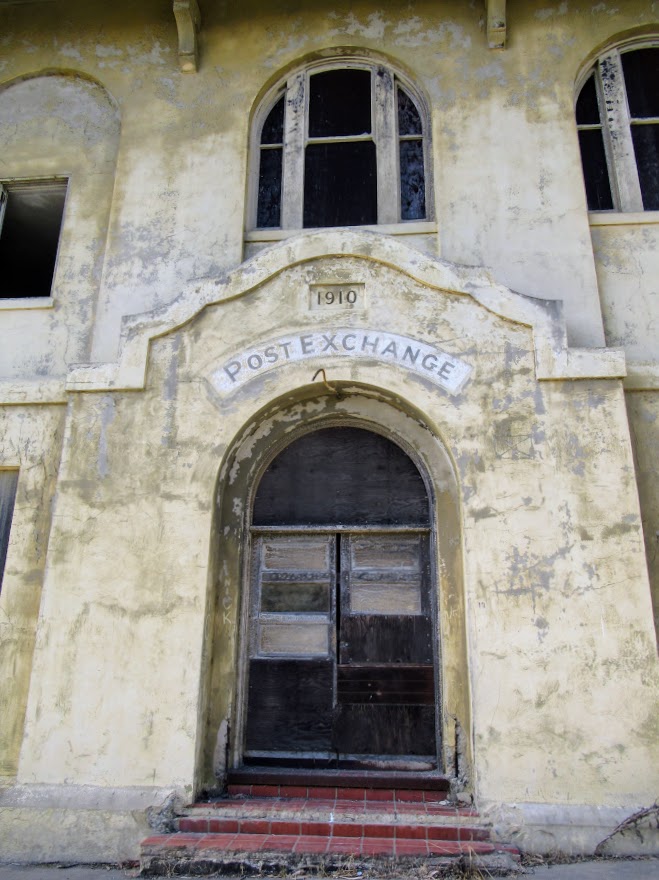
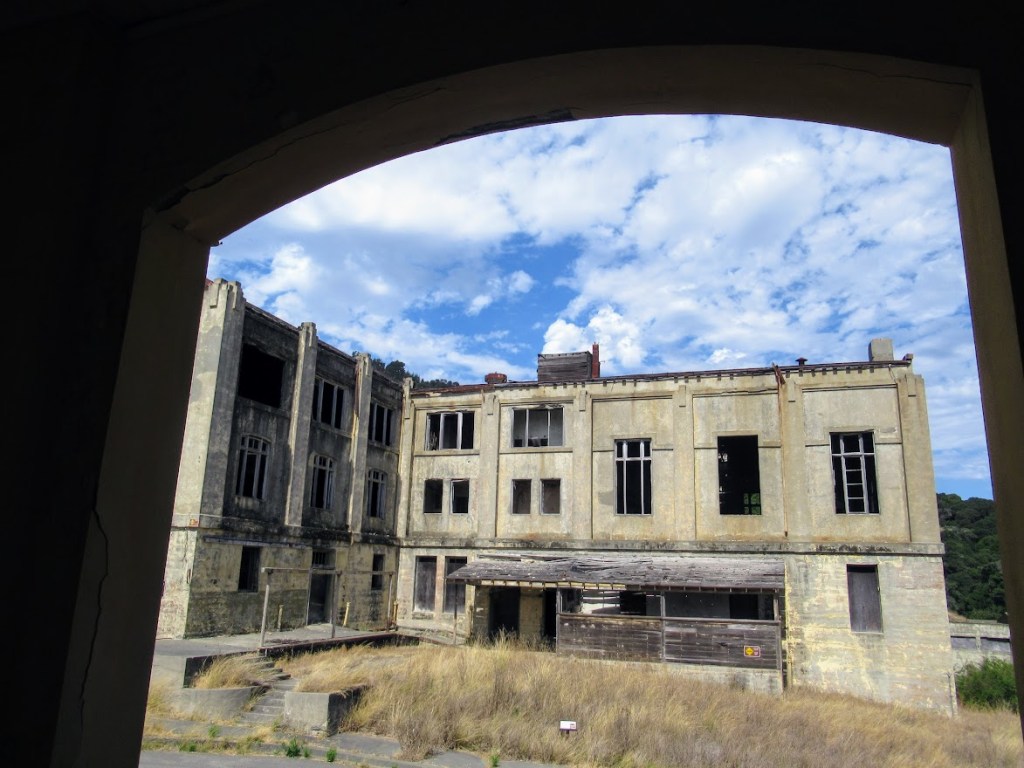
The War Against the Chinese – From 1910 to 1940 an immigration station operated on Angel Island. Here, The Chinese Exclusion Act of 1882 was in full swing. Chinese immigrants could be detained from two weeks to two years.
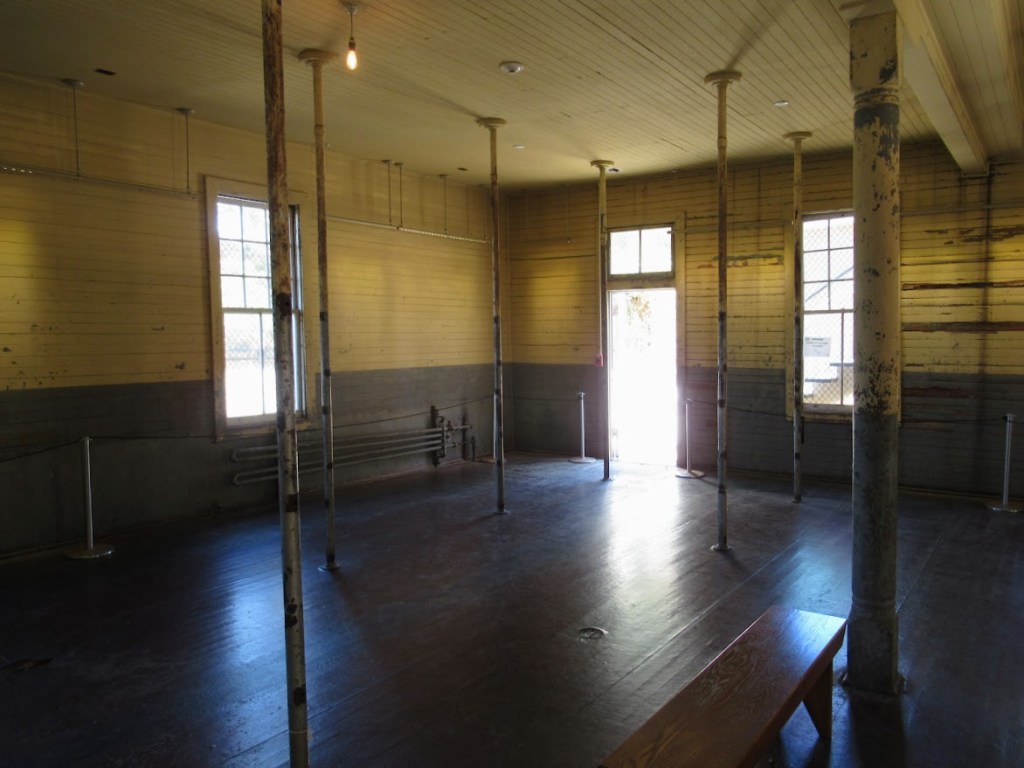
Poems like the one below can be found inscribed on the walls of the immigration station.
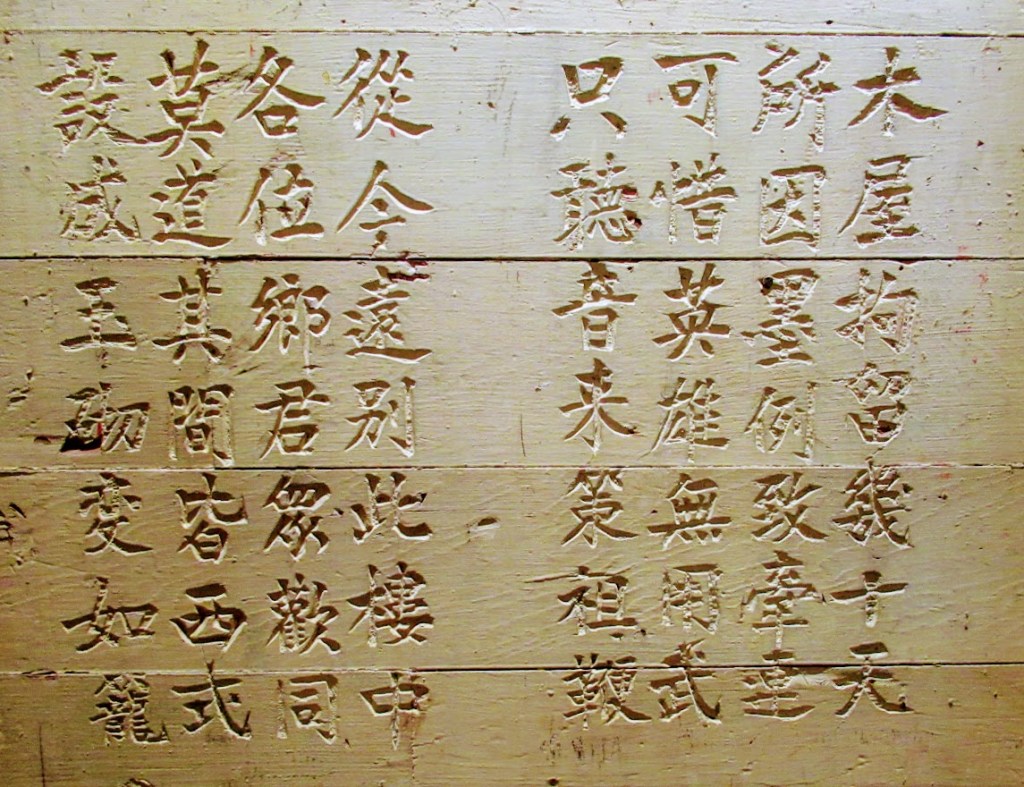
Random Thoughts Deep at Night
– Yee of Taishan
In the quiet of the night, I heard faintly, the whistling of the wind. The forms and shadows saddened me. Upon seeing the landscape I composed a poem. The floating clouds, the fog, darken the sky. The moon shines faintly as the insects chirp. Grief and bitterness entwined are heaven sent. The sad person sits alone, leaning by a window.
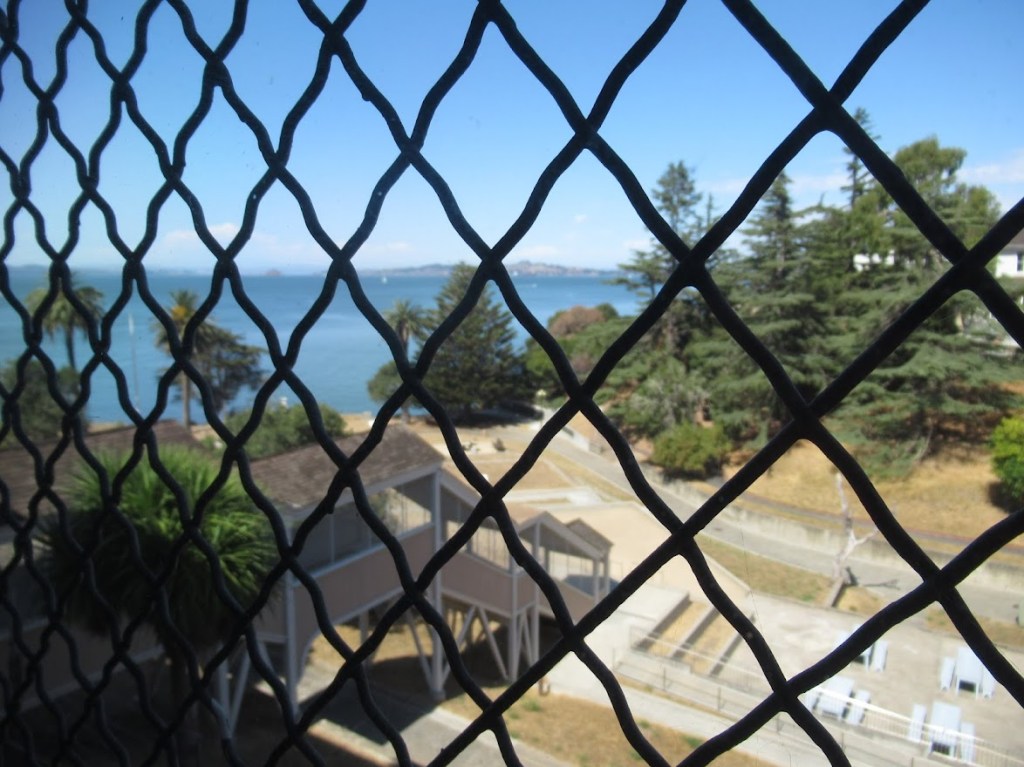
After some time spent inside the immigration barracks, the wharf is a good place to reflect.
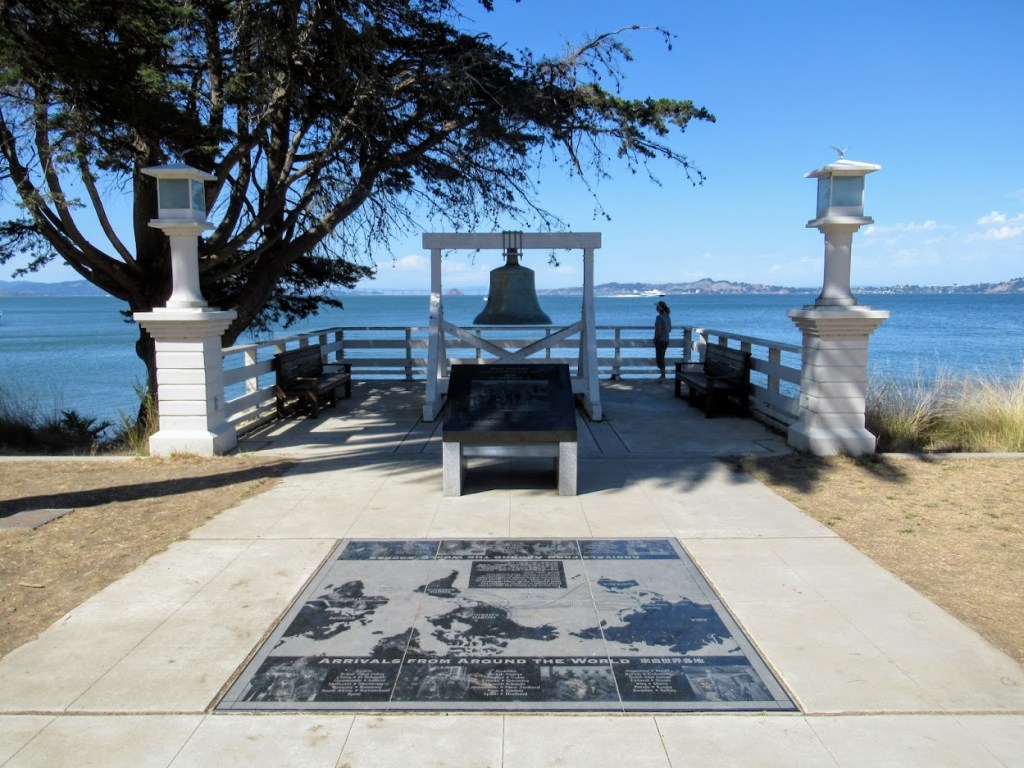
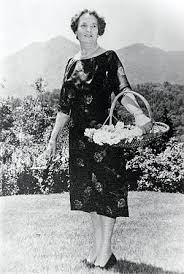
Caroline’s War (“The Good War”) – Caroline Sealy Livermore fought the good fight. Her work led to the establishment of Angel Island as a state park. The island’s highest peak is named for her. She was responsible for the creation of the Marin Audubon Society and the Point Reyes National Seashore Foundation. While her wealthy husband was an active Republican, she was an “indefatigable warrior for the green cause”. She worked to stop the degradation of the slopes of Mount Tamalpais. She established the Marin Conservation League, with the objective to implement a green, open space county master plan. She saved Stinson Beach. She established Samuel B. Taylor Park. She established Tomales Bay State Park. She outlawed ugly roadside billboards. She worked to protect the bay. She saved a mansion. She helped pass the park bill to make Point Reyes a National Seashore. Finally, she helped purchase Angel Island so that it could become a park.
If you have ever marveled at the natural beauty of Marin County, then there is certainly one particular person to whom thanks are owed.
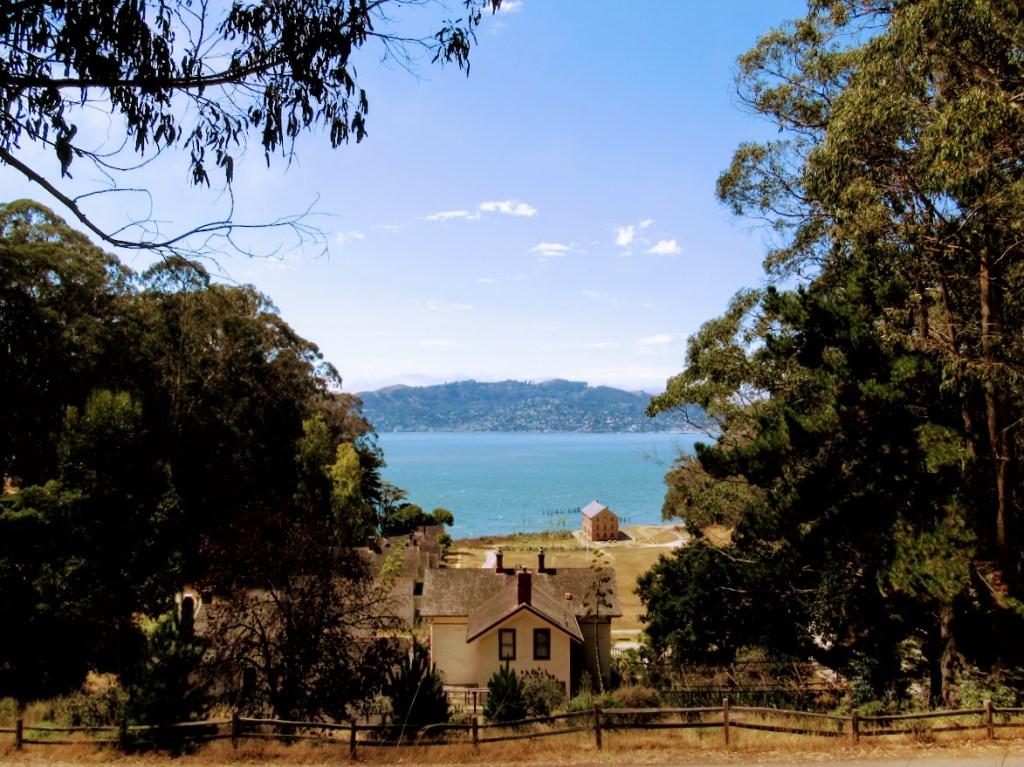
Although it certainly has its fair share of ghosts, today Angel Island is a quiet, peaceful and beautiful place.
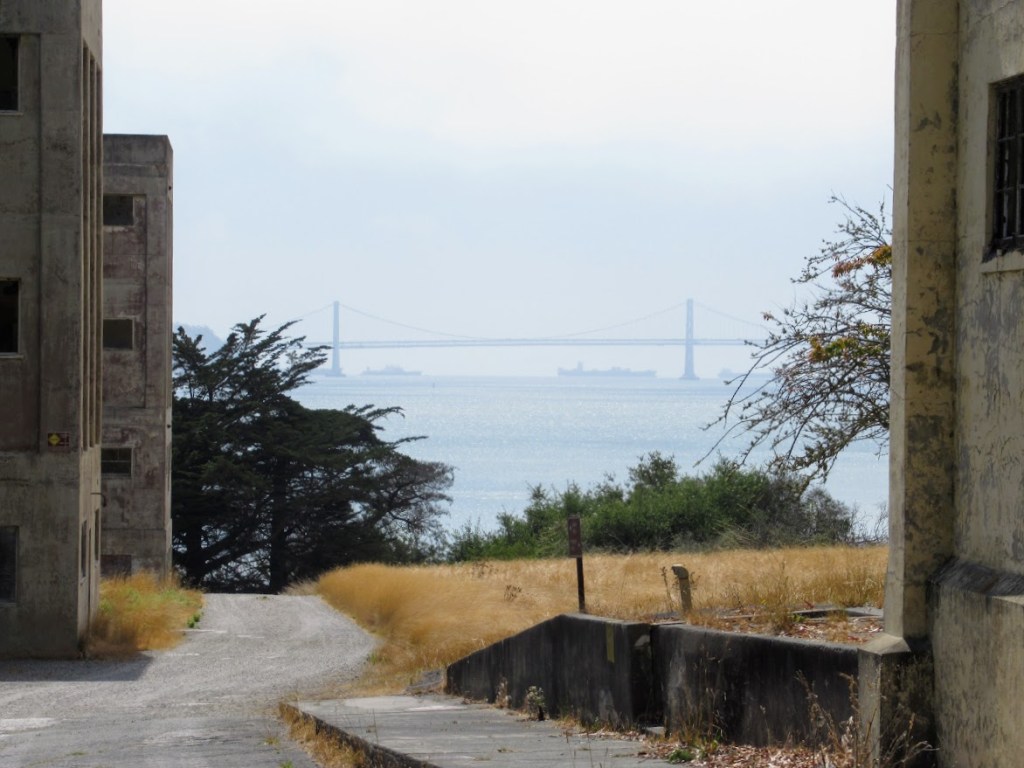
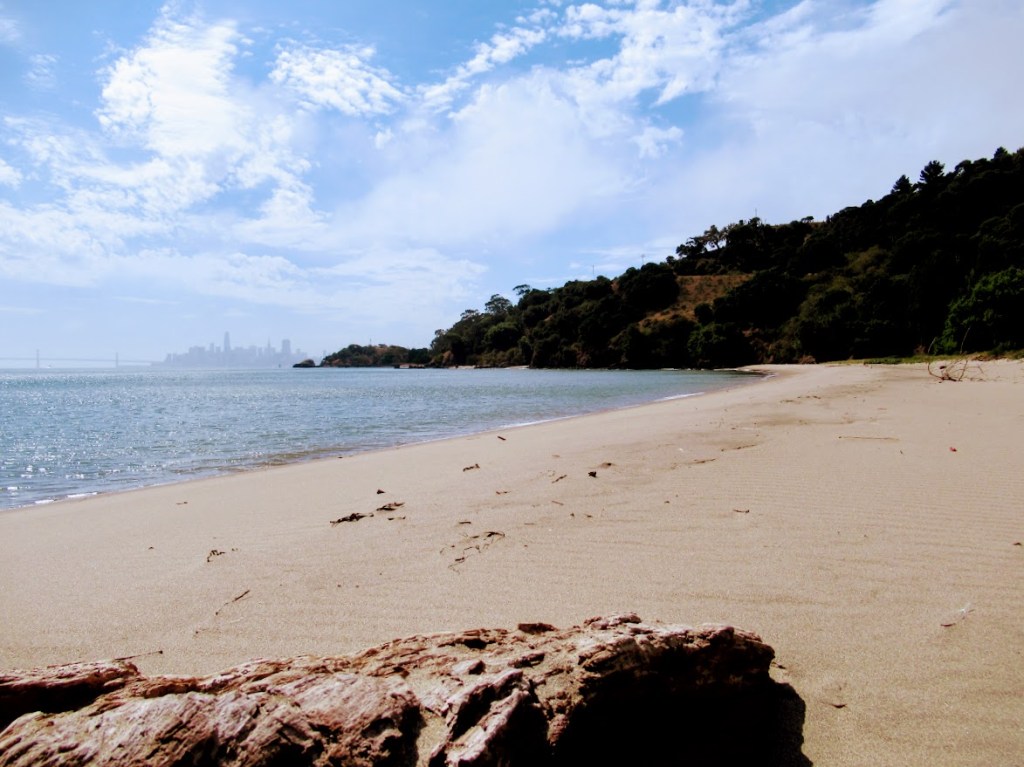
Love wins.
Peace reigns supreme.
Thank you, Caroline.
(Originally published on January 10, 2022)

 "Trail Reports"
Remarkable woman indeed! Thanks for the history lesson. We will have to visit someday soon!
LikeLike
Yes! It is well worth the effort!
LikeLike
Great report, meaningful and significant. Angel Island is now entwined with a perception.
LikeLike
Hello Dave: I echo Brigid’s comments. That was an awesome history lesson. Thanks for the post. BTW Have you thought about Guantanamo as a site for a future Trail Report?
LikeLike
Cuba? Maybe! Gitmo, now that would take some doing.
LikeLike
Yes–Angel Island is indeed a beautiful place. We went there many times while we were living in the Bay Area. Lisa See wrote extensively about the Chinese determent on the island in her two books that I so loved –Shanghai Girls and Empire of Joy.The Chinese that were kept there had to prove that they were free from disease and also that they had employment or family to take them in once they left the island–otherwise they were shipped back to China. Angel Island was sort of the equivalent of Ellis Island in New York.
LikeLike