I was happily and willingly indoctrinated at the Claremont Graduate University in a learning theory known as Piaget’s Constructivist Theory. It states that as people experience their world they incorporate new information into their pre-existing knowledge. This is achieved by making new connections between what is already known and what is new. Making new connections is how our human brains work. In this spirit, the CGU Education Department was big on “concept maps”.
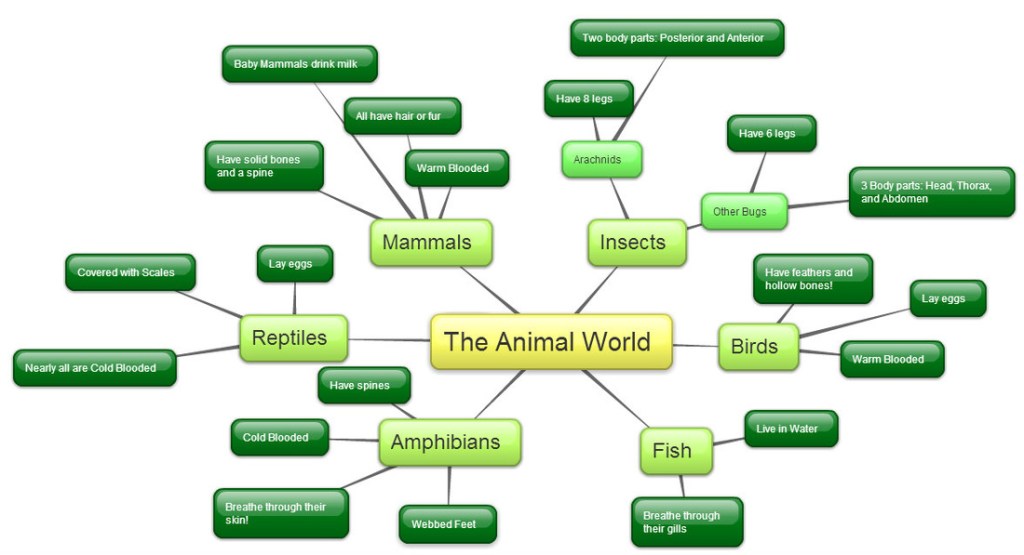
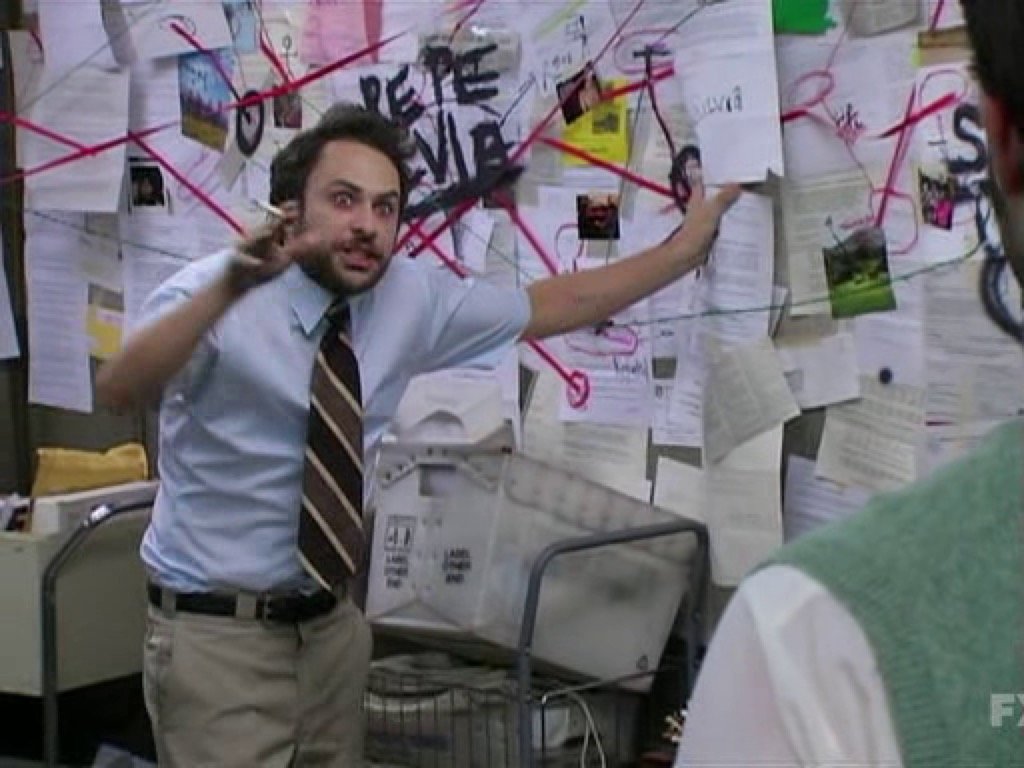
I love concept maps. They are, in fact, not that different from a detective show “evidence board” or even one of those crazy yarn diagrams used by conspiracy theorists.
I have long been aware that my brain is constantly seeking out connections. I imagine you have noticed this in your own brain as well.
Another process the human brain is inclined to engage in is classification. Our very survival depends on it. If we can’t discern between a predator or prey species, then we will not eat but instead be eaten.
Leading up to my first backpacking trip of the season, an interesting series of connections emerged.
On my 60th birthday, I rode my bike from Oakland to Sacramento where I met up with Karen. While I was eating bananas and sweating my way towards the rendezvous, Karen was touring the Stanford Mansion in Sacramento. Her interests were piqued and Karen returned home to continue researching Jane Elizabeth Lathrop Stanford (wife of the American industrialist) only to discover that Jane had been murdered! Not just murdered but poisoned with strychnine – and not once but twice! It was the second poisoning that proved fatal. Having fled to Hawaii after the first attempt on her life, Jane Stanford later died a gruesome death in the island paradise. The murderer was never found.
Learning of Karen’s interest in the mysterious death of Jane Stanford, a neighbor gave Karen a book on the topic. This was the book I listened to as I drove to Yosemite for my backpacking trip. The book is called “Why Fish Don’t Exist”.
Why was I going backpacking? Ostensibly, I was going backpacking to fish! Yet here I was learning the truth about fish, that in fact they do not exist! (Perhaps this is why I did not catch any.)
I highly recommend this short read, which conveniently ended as I entered Yosemite National Park.
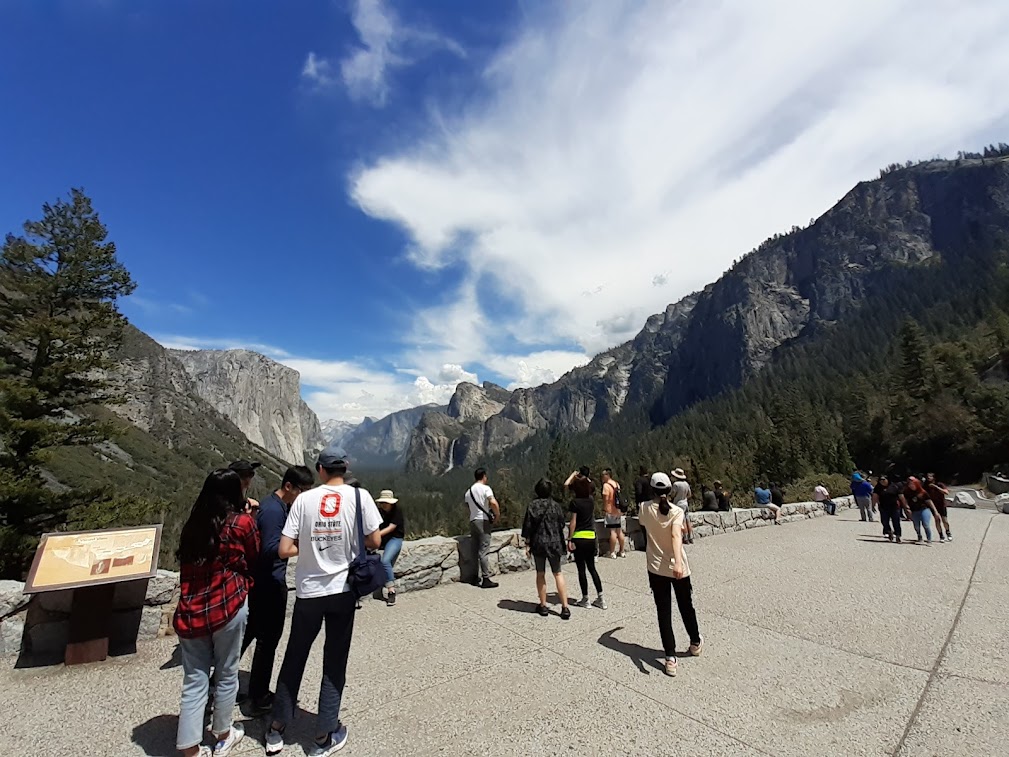
The book will alter how you view the world. It will educate. It will entertain. Most importantly, it will challenge.
One topic the book addresses is how we classify things. It discusses how classification can both help and hinder our outlook of the world. (The book also shines a light on a prime suspect in the murder of Jane Stanford – former Stanford President David Starr Jordan.)
Having arrived safely (and enlightened) at the Yosemite Valley Wilderness Center, I proceeded to obtain my wilderness backpacking permit. The ranger issuing the permit was named Ranger Wild.
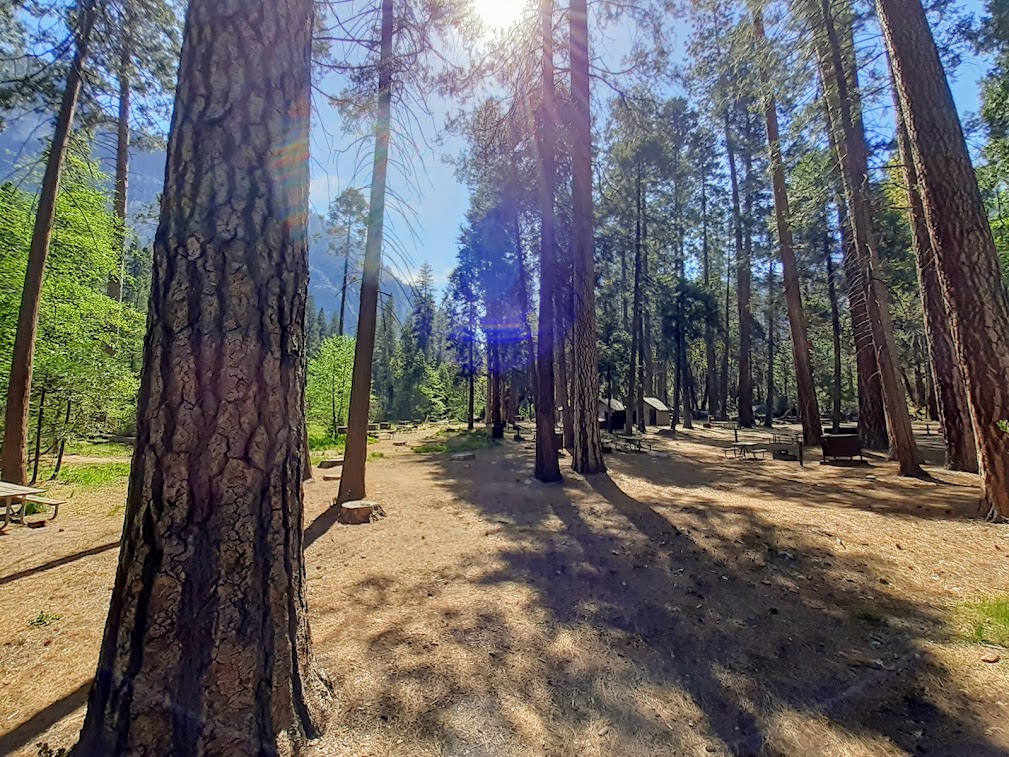
I spent that evening in the lovely and surprisingly uncrowded Yosemite Valley backpackers camp – a walk-in camp for wilderness permit holders.
I have recently taken up fishing again after not having fished for many years. My reasons are to avail myself of guilt free animal protein while in the high country and as a tribute to the late Scoutmaster of Marin Council Troop 84 – my father. Another benefit of backpacking with a fishing rod sticking out of my pack is that it invites discussion with a segment of the trail population I might not ordinarily engage with.
As I hike, my brain is constantly searching for connections and seeking to categorize all that it sees. What is that plant? What is that bird? I will admit that I cannot turn off this constant need to classify even when observing my fellow hikers. I can be aware of it, but I can’t turn it off. I have no doubt that people do the same as they observe me passing by. When I try to imagine what they are thinking, I have to laugh. You can tell much about your fellow observers by watching their expressions as they pass you by.
The fishing rod slightly changes that perception. For this reason I was joined for dinner at the Yosemite Valley backpackers camp by Nancy, a lifelong fishing master and hunter. Nancy saw me sitting down to eat and strolled right on over with her bowl of food and sat down across from me at my camp table. We had a lovely time and freely spoke about many topics and found much to agree on. I might even get to see her again, as we both plan to be in the same area of the Sierras on the same day in June.
(Karen suggested that I make a pair of binoculars out of two toilet paper rolls and string so I can invite more discussion with birders.)
After dinner I stretched my legs by taking a stroll on the path that connects the backpacker’s camp to the Ahwahnee – a nice trail that takes you under Royal Arch Cascade and past some good climbing walls where I could hear climbers shouting climbing commands like “Off belay!” in the diminishing light.
Once at the Ahwahnee I discovered a room I had never seen before: The Winter Club Room.
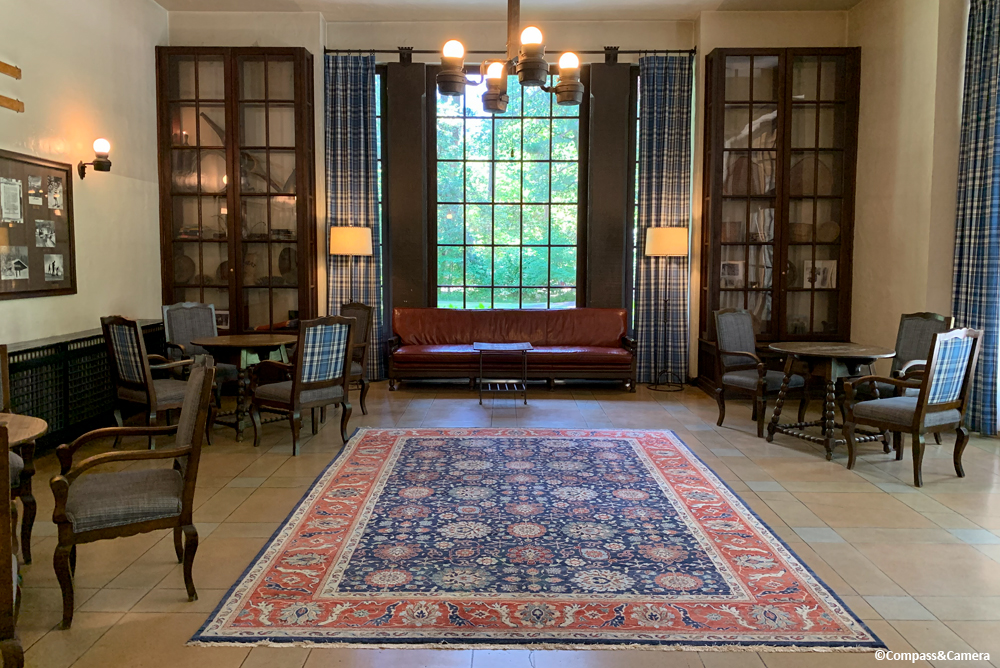
It is a beautiful room full of old photographs of winter sports from back in the good old days. There was also this picture of former Stanford President Donald Tresidder, amongst other classic black and white photos.
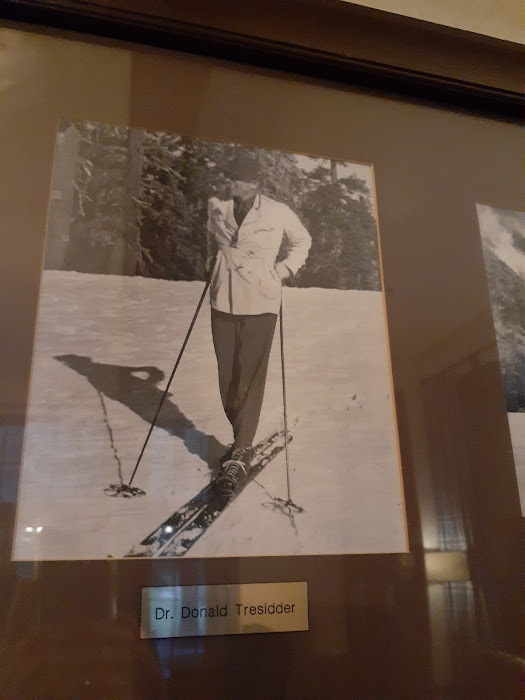
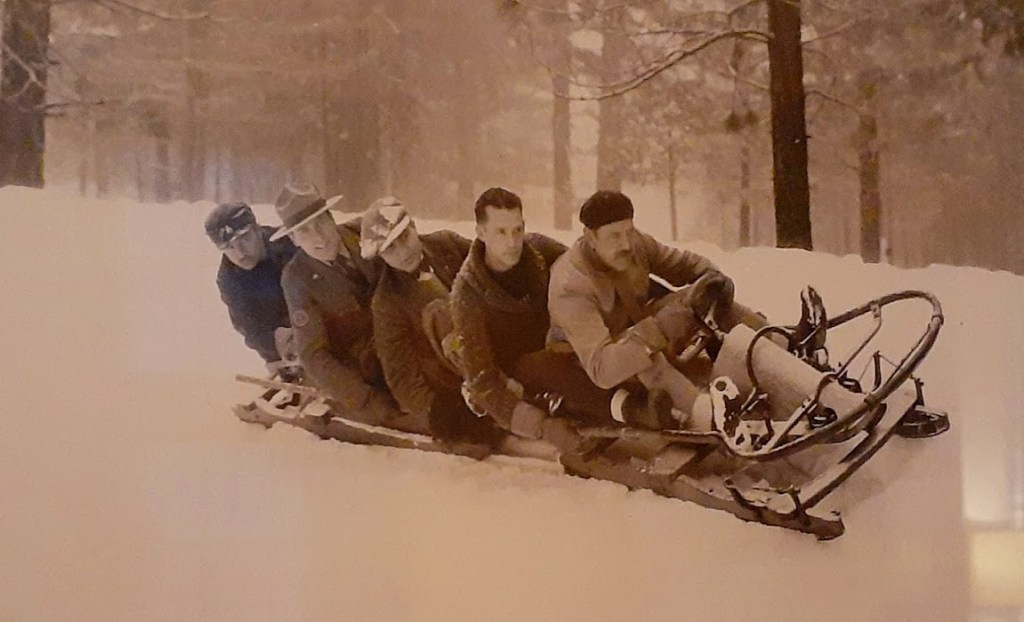
As a young man, Tresidder visited Yosemite Valley where he met many Stanford faculty who convinced him to enroll. He also met his future wife Mary Curry whose parents owned Camp Curry. He spent his summers working there as a porter and was briefly fired for leading Mary on a climb of Half Dome.
According to Wikipedia:
“Tresidder later described himself on arrival at Stanford as a gangling youth from the Midwest, wearing a jacket with sleeves too short to cover his long arms, shambling nervously up Palm Drive carrying a battered suitcase. But each student he passed waved and spoke to him cheerfully. At last he encountered President David Starr Jordan. The president tipped his broad brimmed hat, bowed and greeted the young man from Indiana.”
Later that night I was awakened by a nearby rockslide which echoed and rumbled around the canyon.
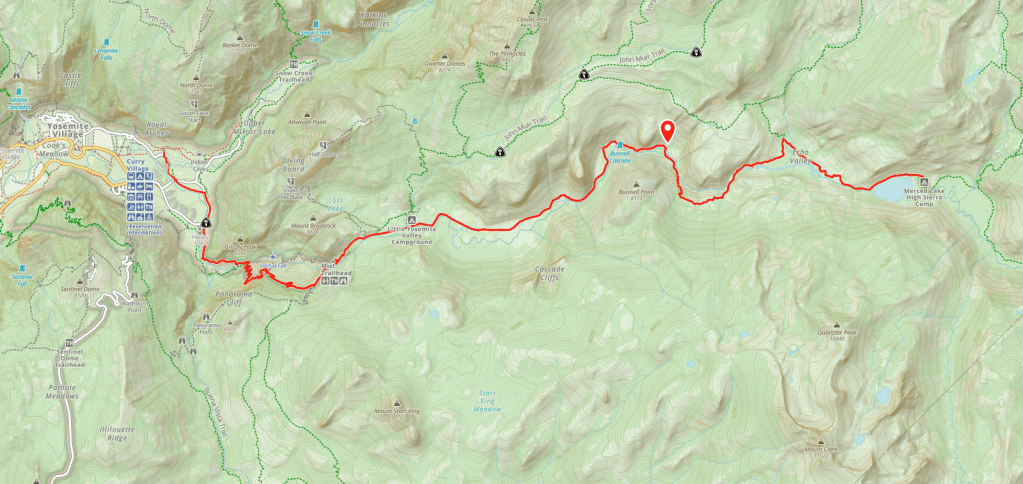
The following morning I embarked from Happy Isles bound for Merced Lake via Little Yosemite Valley. For this four day hike the perfect reading companion would be Nick Offerman’s Where the Deer and the Antelope Play.
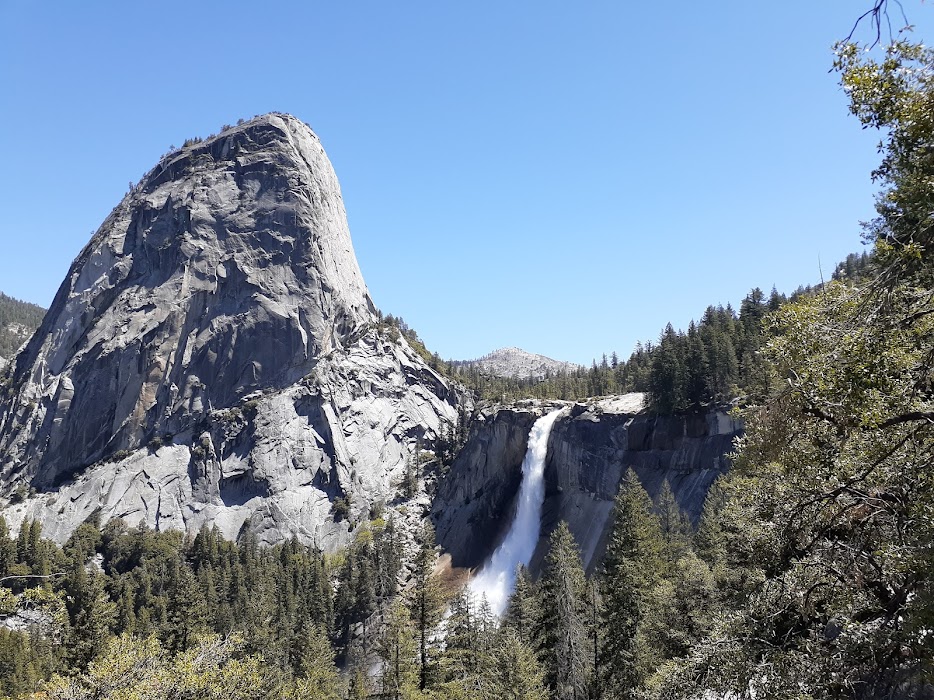
The first part of this hike is quite busy this time of year. I found it interesting that random people would turn to me and ask questions. Do you know the name of this plant? Horsetail! Do you know the name of that rock? Liberty Cap! Do you know the way to Little Yosemite Valley? Follow me!
The talk around Little Yosemite Valley was all about hiking Half Dome and Clouds Rest. I hiked Clouds Rest recently but haven’t hiked Half Dome since Scoutmaster Stan Boicourt unleashed his troops on an unsuspecting public where we violated almost all the rules of courtesy, etiquette and safety as we raced each other to the top of the dome. Once on the top we ran to the edge and hung our Vibram soled hiking boots over the valley below and engaged in a literal peeing contest. Then we threw a few rocks and called it a day.
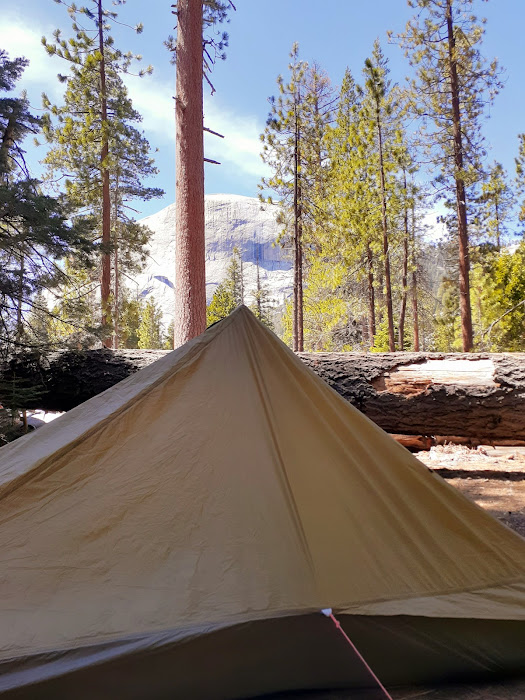
That evening as I relaxed at my campsite and pondered the need to ascend Half Dome again, I was visited by a ranger who asked to check my wilderness permit. His name badge said “Wild”. He had some questions for me, but also had some questions about the ranger who issued the permit. Was she nice? Was she thorough? Why did she underline so many sections of the permit in red ink? Finding it odd that the only two rangers I had met on this visit were both named “Wild”, it then dawned on me that they are married! The notion of Mrs. Wild in the valley issuing permits while Mr. Wild was checking those same permits 2,000 feet above just made me smile. I suggested that Mrs. Wild start writing “I love you” on the permits she was issuing so that Mr. Wild could see the message later.
The next day I left the excited bustle of Little Yosemite Valley backpackers camp for Merced Lake High Sierra Camp, which is one of five high sierra camps established in part by Mary Curry Tresidder. Surprisingly, the trail was completely empty except for one rattle snake who alerted me to his presence with his little maraca. From that point onward I hiked with more care and alertness than I usually do.
The 14 mile hike from Happy Isles to Merced Lake follows the Merced River for most of its length. I would estimate that for 12 of those miles the hiker is accompanied by either magnificent waterfalls or stunning cascades. It is an obscene and manic display of ice cold white water.
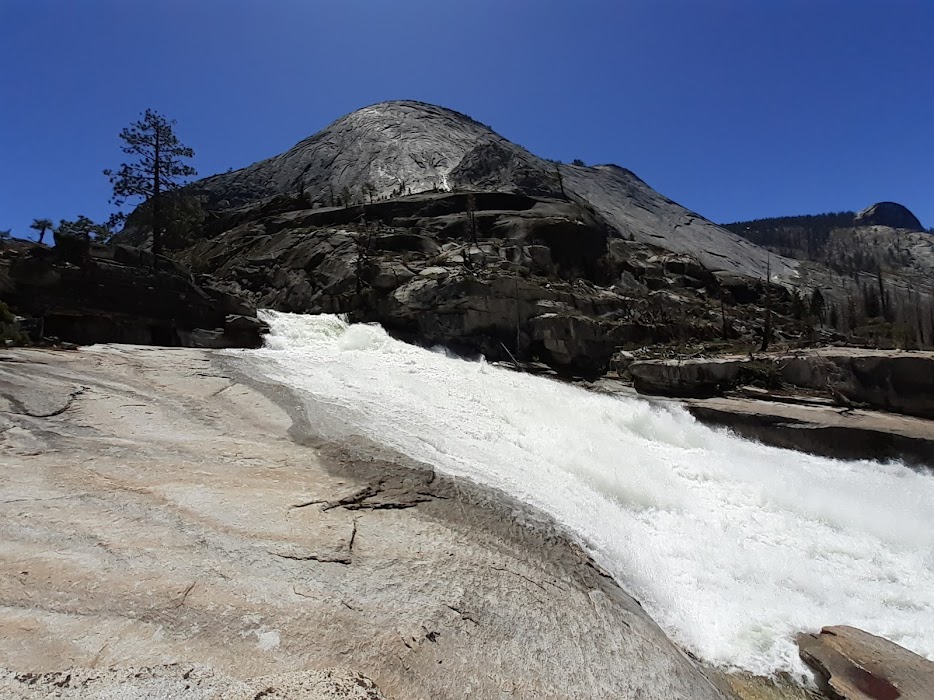
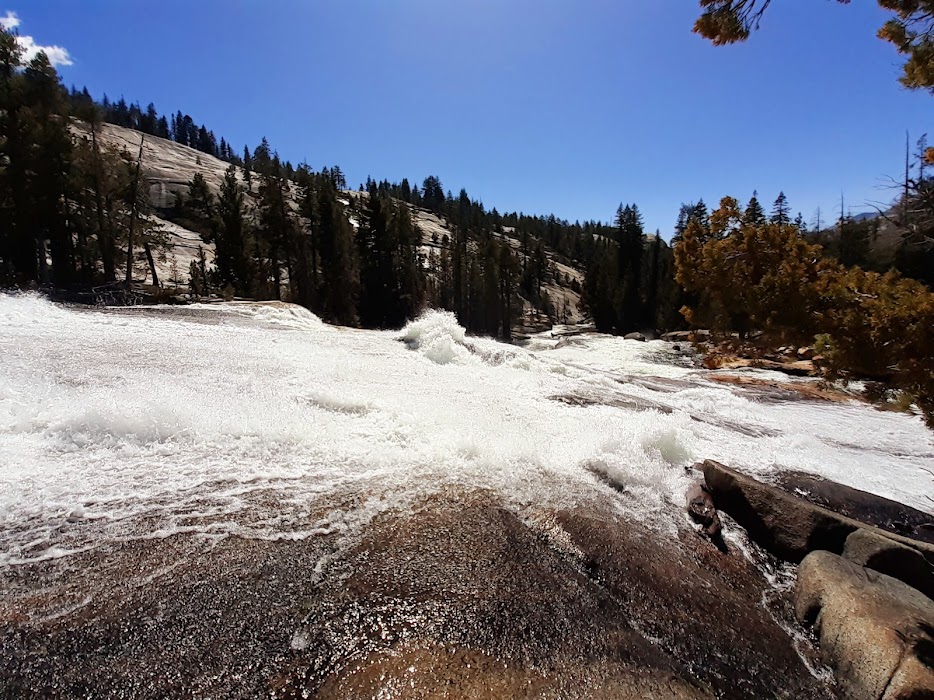
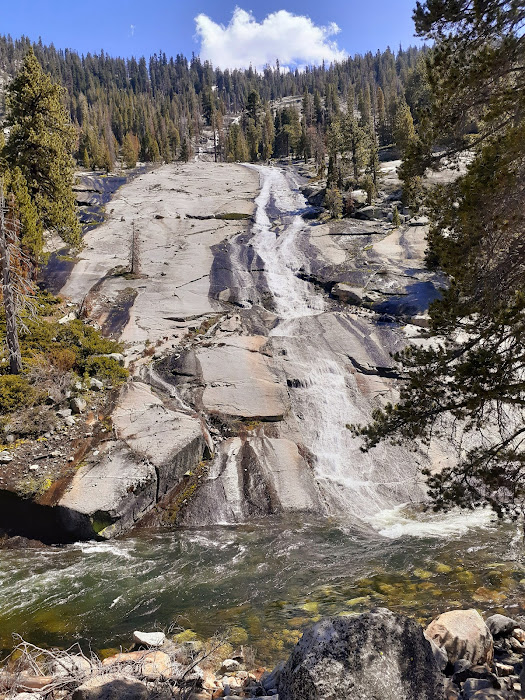
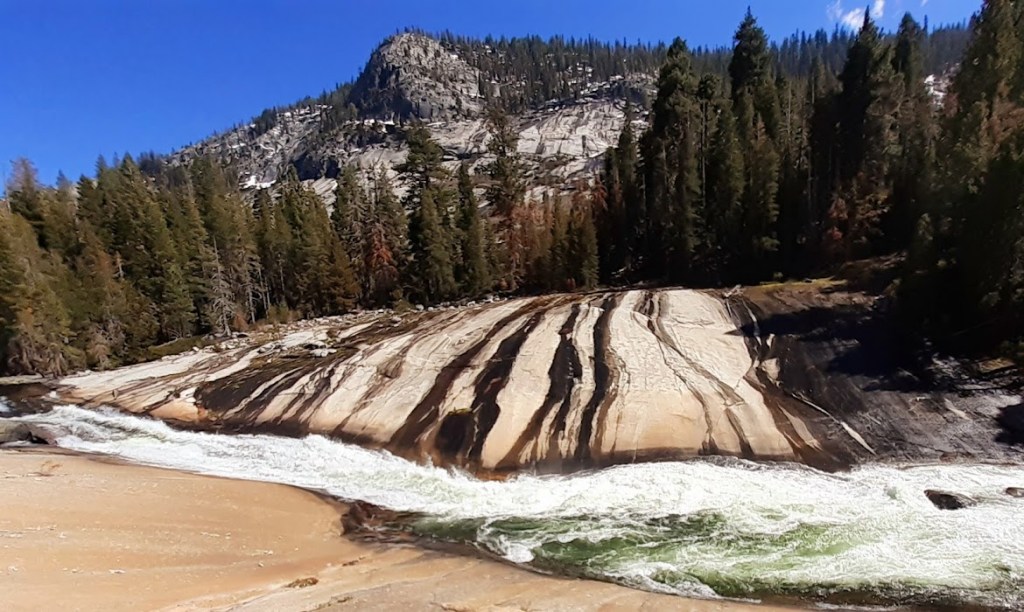
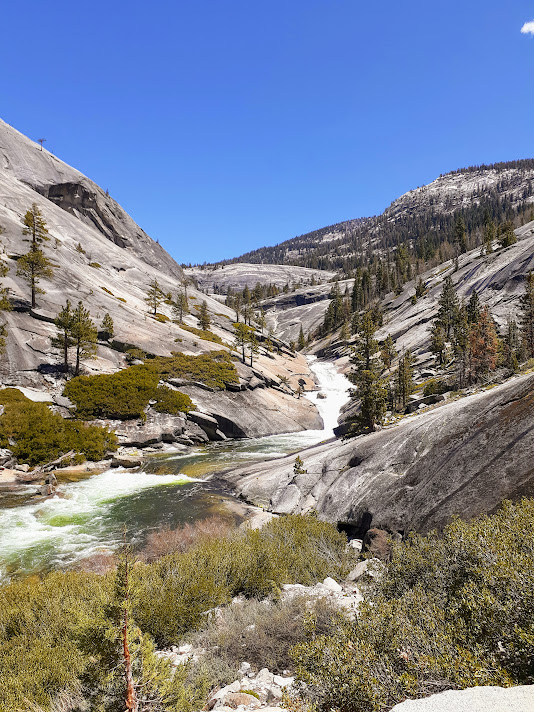
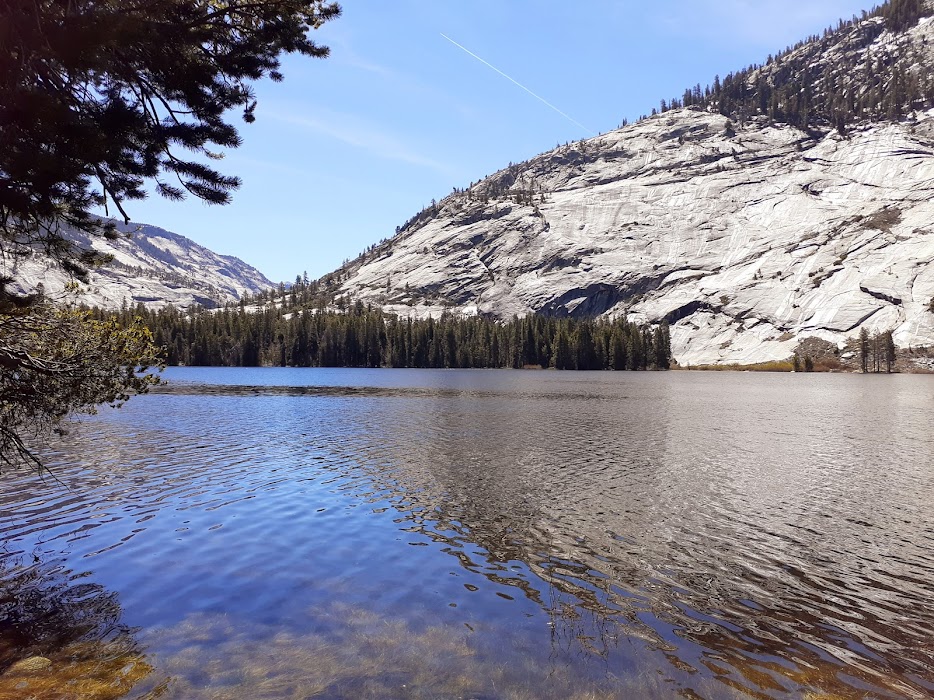
Upon arriving at the closed Merced Lake High Sierra Camp I was pleased to find that I was completely alone at the lake. Upon setting up camp, I discovered that the previous inhabitant had left me a neat pile of firewood and had also constructed a beautiful one-match fire tepee complete with pine needles and kindling. Above me in an ancient Ponderosa was a Sooty Grouse asserting his presence with a persistent “whoop, whoop, whoop”. He even eventually revealed himself in flight. I saved the one-match fire for the morning and enjoyed my coffee by the morning fire as I read Nick Offerman’s book. I think Nick would have approved.
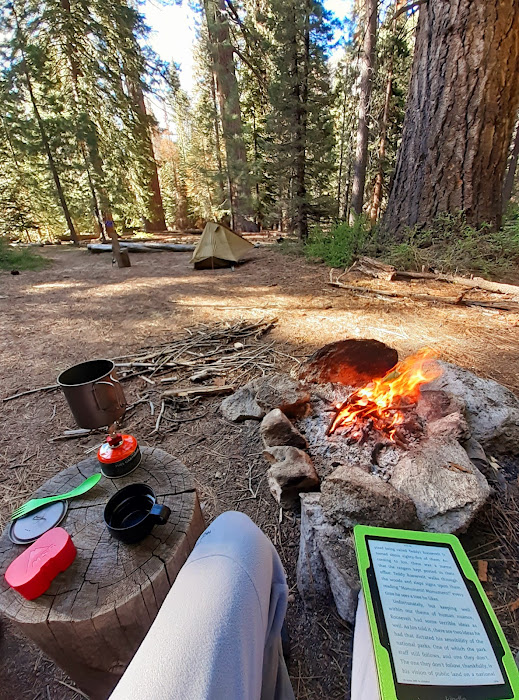
The next day I decided to head back down the trail about five miles to a nice camping spot I had scouted on the way up. I tried my luck at fishing Merced Lake on my way out, but as Nancy had predicted the trout of Merced Lake had not yet risen.
The “nice spot” was a Shangri La setting with stunning scenery, beautiful cascades and well appointed amenities. Once again, I had a nearly perfect campsite all to myself.
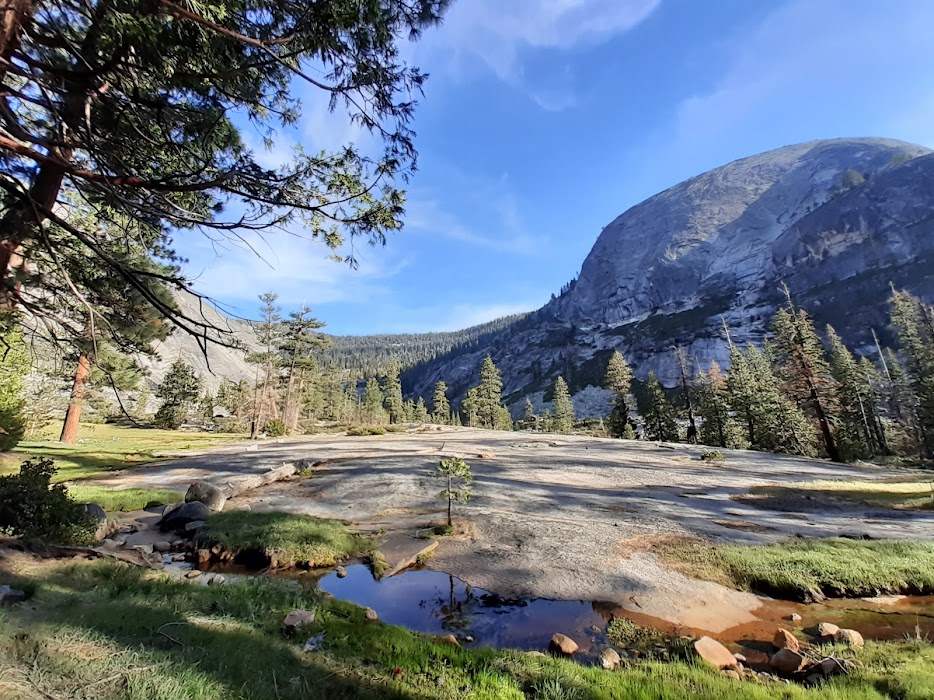
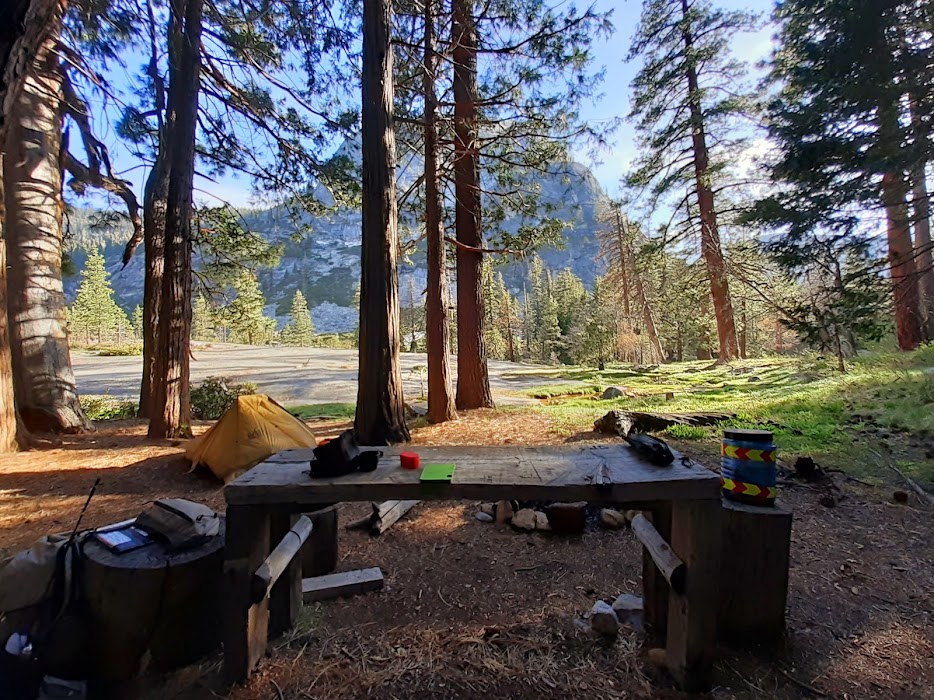
The only drawback was a charred stump at the edge of the cedar grove that appeared to watch me as I prepared dinner. It stood, unmoving with its arms outreached as if to say: “Join me.”
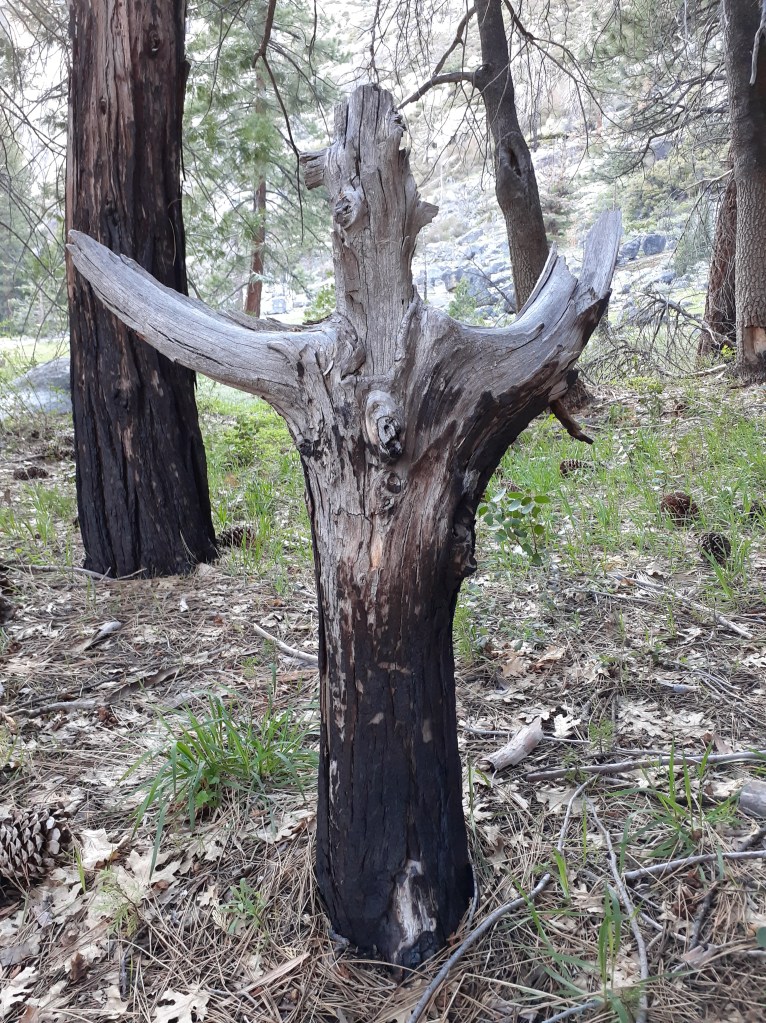
Join me!
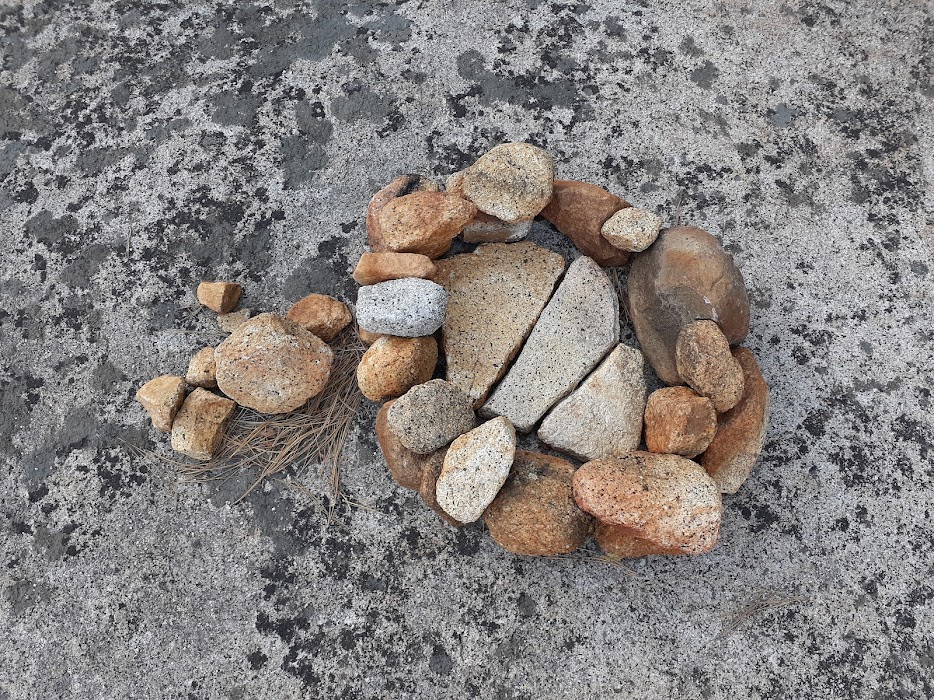
I also discovered that the “children of the grove” had left behind these curious little structures which to my overactive imagination did not look “cute” but instead appeared to me as “creepy”. This may have had something to do with Mr. Stumpy holding vigil above my campsite.
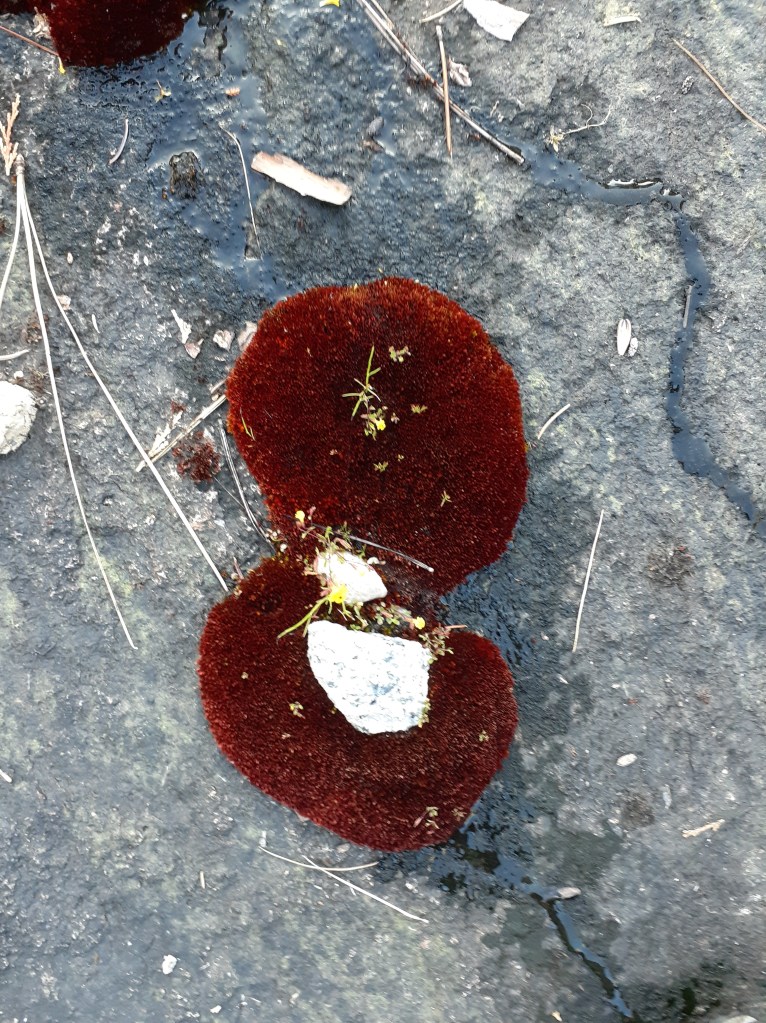
Fortunately, the spooky relics above were countered by the stunning beauty all around me as well as these perfect little moss displays on the bare granite:
In the morning I hiked out to the car and eventually met up with a nice Swiss gentleman named Phillip. It was good to have some company. (I enjoyed meeting several Europeans on this short trip.)
Even though we are prone to classify everything we see, it is something we should be aware of. It is all too easy to “pigeon hole” the people we encounter. As with plants, birds and fish we want to place everything we see in the proper box to which they belong.

Yet clear lines can not always be drawn – especially when it comes to people. People express a true continuum, or spectrum of attributes. The lower elevation trails of Yosemite National Park are heavily used and are by far some of the most diversely populated from a human standpoint. Opportunities abound for making new connections. Meeting new people on the trail almost always defies how my brain’s “auto classification” had them sorted. This process never ceases to surprise and delight me. The trail has to be one of the best environments to practice this openness. The mutual connection we all seek there surrounds us. We are connected by that plant. We are connected by that rock. We are connected by that trail.
(Originally published on May 21, 2022)

 "Trail Reports"
Very impressive presentation. Thank you for taking me along!
LikeLike
It was my pleasure!
LikeLike
Nice!
LikeLike